VI
 EN








Machinery and Equipment Safety Inspection | Why is it Mandatory?
Table Of Contents
Table Of Contents
Nowadays, machines and equipment have become indispensable to organizations and businesses, especially those in manufacturing. However, the use of machines and equipment also comes with the inherent risk of workplace accidents or technical failures, which may compromise worker safety and disrupt business operations. Therefore, safety inspections for machinery and equipment have become a mandatory requirement for all organizations and businesses as outlined in Circular No. 36/2019/TT-BLĐTBXH.

Why has technical safety inspection become a mandatory requirement for all organizations and businesses?
CONTENT:
|
1. What is a safety inspection? 2. Why is it mandatory to conduct safety inspections for machinery and equipment? 3. List of machinery and equipment that require mandatory safety inspections 4. General inspection process for machinery and equipment 5. Which reputable organization provides machinery and equipment safety inspection services? |
1. What is a safety inspection?
Safety inspection (also known as a technical safety inspection) is the process of thoroughly evaluating and inspecting systems, equipment, and production processes to ensure safety standards are met and all relevant legal regulations are strictly adhered to. This is a vital step in protecting workers and machinery throughout operations, ensuring the stability and safety of the enterprise's production activities.
For high-risk machines and equipment, safety inspections are of utmost importance, as any incidents could result in severe consequences for both property and human lives. This activity not only helps safeguard the life and property of workers but also ensures that businesses comply with Circular No. 36/2019/TT-BLĐTBXH, issued on December 30, 2019.

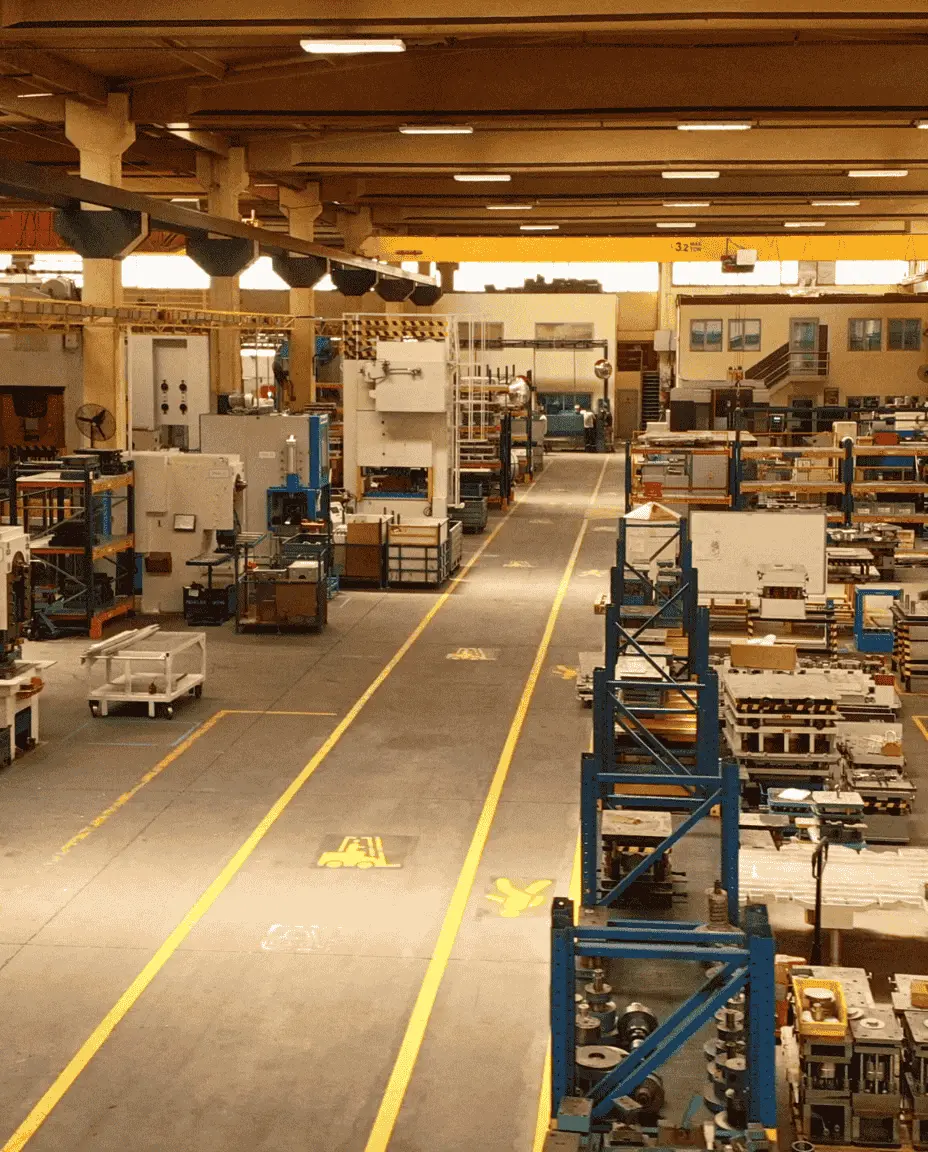
Safety inspection is the process of thoroughly assessing and examining systems, equipment, and production processes to ensure compliance with relevant standards and technical regulations
The occupational safety inspection process includes assessing potential risks, identifying possible hazards, and proposing safety measures to minimize those risks. Additionally, this process evaluates the effectiveness of existing safety systems and suggests improvements or modifications if necessary, to optimize safety in operations and production.
→ See more: Safety inspection and technical performance of medical equipment | Trusted services
2. Why is it mandatory to conduct safety inspections for machinery and equipment?
Safety inspections of machinery and equipment are an essential step to ensure a safe and healthy working environment for employees. This process not only helps reduce the risk of occupational accidents and diseases but also serves as an effective tool for businesses to identify damages or technical issues early, allowing them to take timely corrective actions, protect workers' safety, and ensure continuous production operations.

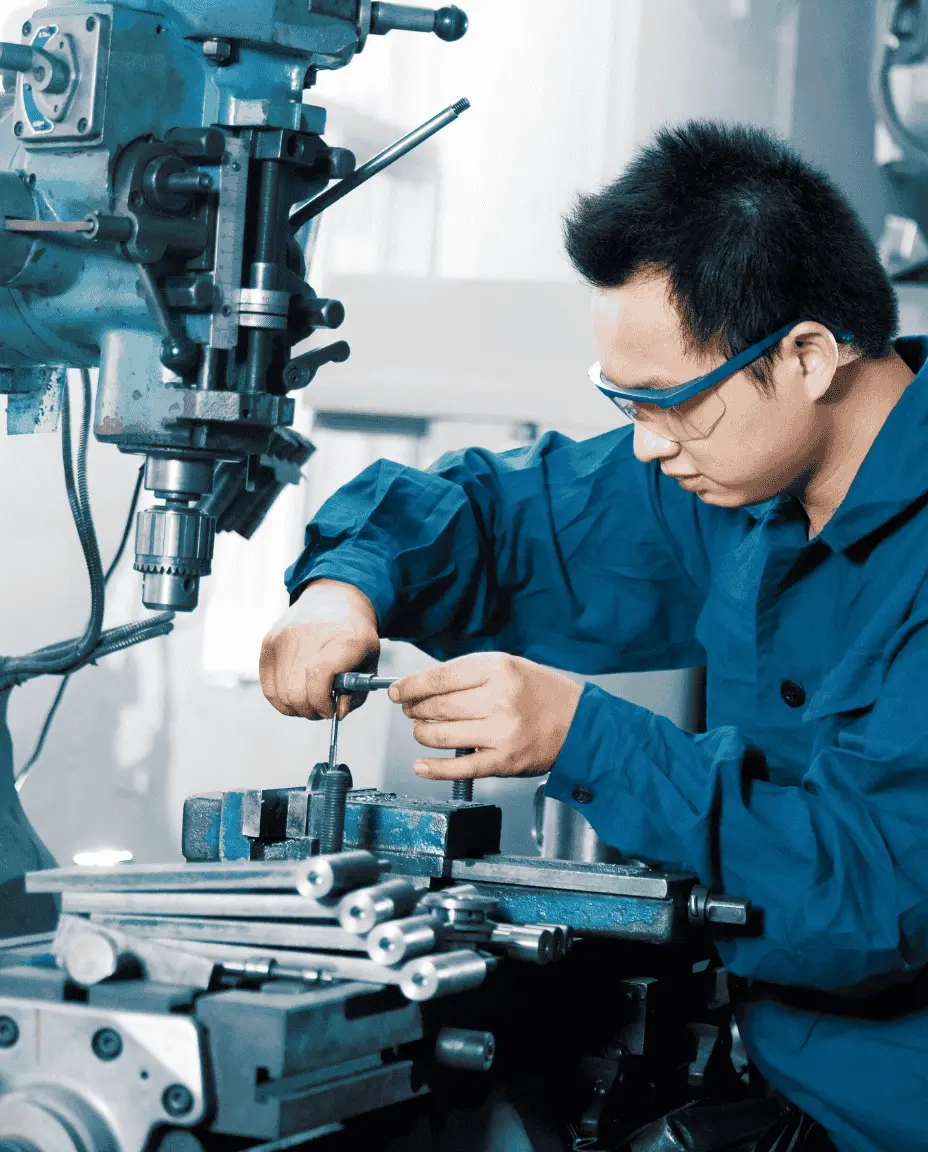
Safety inspection for machinery and equipment is an essential step to ensure a safe and healthy working environment for employees
Here are some compelling reasons why businesses must conduct safety inspections for their equipment:
-
Timely detection of any abnormal issues with the equipment to develop appropriate solutions.
-
Improved productivity and extended machine operation time, avoiding interruptions and minimizing the impact on production.
-
Reduced costs associated with occupational accidents, work-related illnesses, and other unforeseen incidents during operations.
-
Minimization of risks involving accidents that could affect company assets, worker health, and lives.
-
Ensures compliance with legal regulations regarding occupational safety.
-
Upholds the reputation of the business, instills confidence in employees, customers, shareholders, and regulatory authorities, and enhances the company's market reputation with safe production facilities and equipment.
3. List of machinery and equipment requiring mandatory safety inspections
The following equipment must undergo technical safety inspections:
-
Pressure equipment such as boilers (with a working steam pressure of more than 0.7 bar), hot water boilers (with a medium temperature above 115°C), oil heating boilers, pressure vessels (with a working pressure above 0.7 bar), gas storage tanks, air compressors, refrigeration systems, medical gas pipelines, etc.
-
Lifting equipment such as forklifts, cranes, gantry cranes, hoists, tower cranes, hoisting machines, lifting platforms, etc.
-
Electrical equipment such as transformers, circuit breakers, lightning arresters, disconnectors, grounding switches, power cables, insulating poles, etc.
-
Medical equipment such as ventilators, anesthesia machines, surgical electric scalpels, infant incubators, defibrillators, dialysis machines, and other medical equipment classified as B, C, and D by the Ministry of Health.
-
Personnel transport devices such as elevators, escalators, and conveyor belts.
-
Lightning protection systems and electrical circuits.
All these types of equipment must undergo safety inspections to ensure they meet safety standards and comply with legal regulations on occupational and technical safety.
→ See more: List of equipment requiring safety inspection
4. General inspection process for machinery and equipment
The standard safety inspection process for machinery and equipment typically includes the following five steps:
➤ Step 1: The business or organization in need of an inspection contacts an authorized safety inspection unit certified by the Department of Occupational Safety and Health and provides a list of machinery and equipment for inspection.
➤ Step 2: The inspection unit signs a contract with the business, agreeing on the time, location, method, and scope of the inspection.
➤ Step 3: A certified inspector, specialized in the specific type of machinery or equipment, is assigned to the business to perform the inspection and develop a safety inspection plan.
➤ Step 4: The inspector issues an inspection report, concluding whether the machinery and equipment meet technical safety standards, including:
-
External inspection;
-
Internal inspection;
-
Technical testing;
-
Operational testing.
➤ Step 5: If the equipment passes inspection, the inspector affixes a safety inspection label to the machine. Otherwise, the business must repair or replace the machinery before further use.
➤ Step 6: After completing the inspection report, the inspection unit issues a technical safety certificate to the business. The certificate is valid for a specific period depending on the type of machinery.
This is the standard inspection process for machinery and equipment. However, variations may exist depending on the specific equipment being inspected.
5. Which reputable organization provides machinery and equipment safety inspection services?
Choosing a reputable safety inspection unit is a critical factor in ensuring accuracy, reliability, and legal compliance during the equipment inspection process.

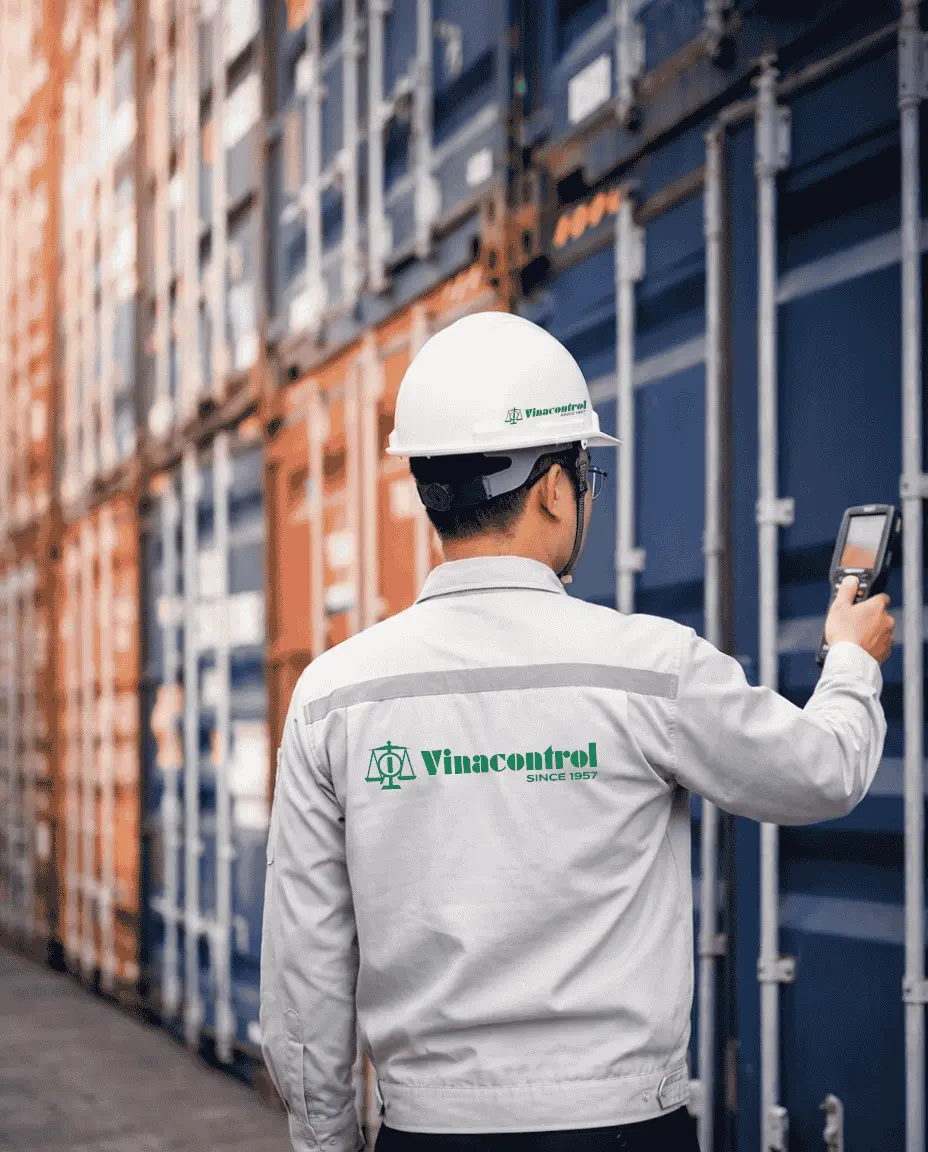
Vinacontrol is proud to provide safety inspection services for labor safety and technical safety across thousands of businesses and organizations
With over 65 years of experience, Vinacontrol has pioneered in the field of labor safety and technical safety inspections for machinery and equipment. We offer high-quality inspection services, with a team of well-trained engineers, specialists, and inspectors who have deep knowledge of safety regulations and inspection processes. Our modern equipment and facilities meet stringent technical requirements, ensuring compliance with both national and international standards, and are certified by relevant authorities.
→ See more: Vinacontrol's competence in the field of safety inspection | Reputable - Recognized by State Authorities
For any inquiries about Vinacontrol's inspection services, please contact our Hotline at 0243 943 3840 or chat directly with our specialists for the best consultation and support!