VI
VI
 EN
EN







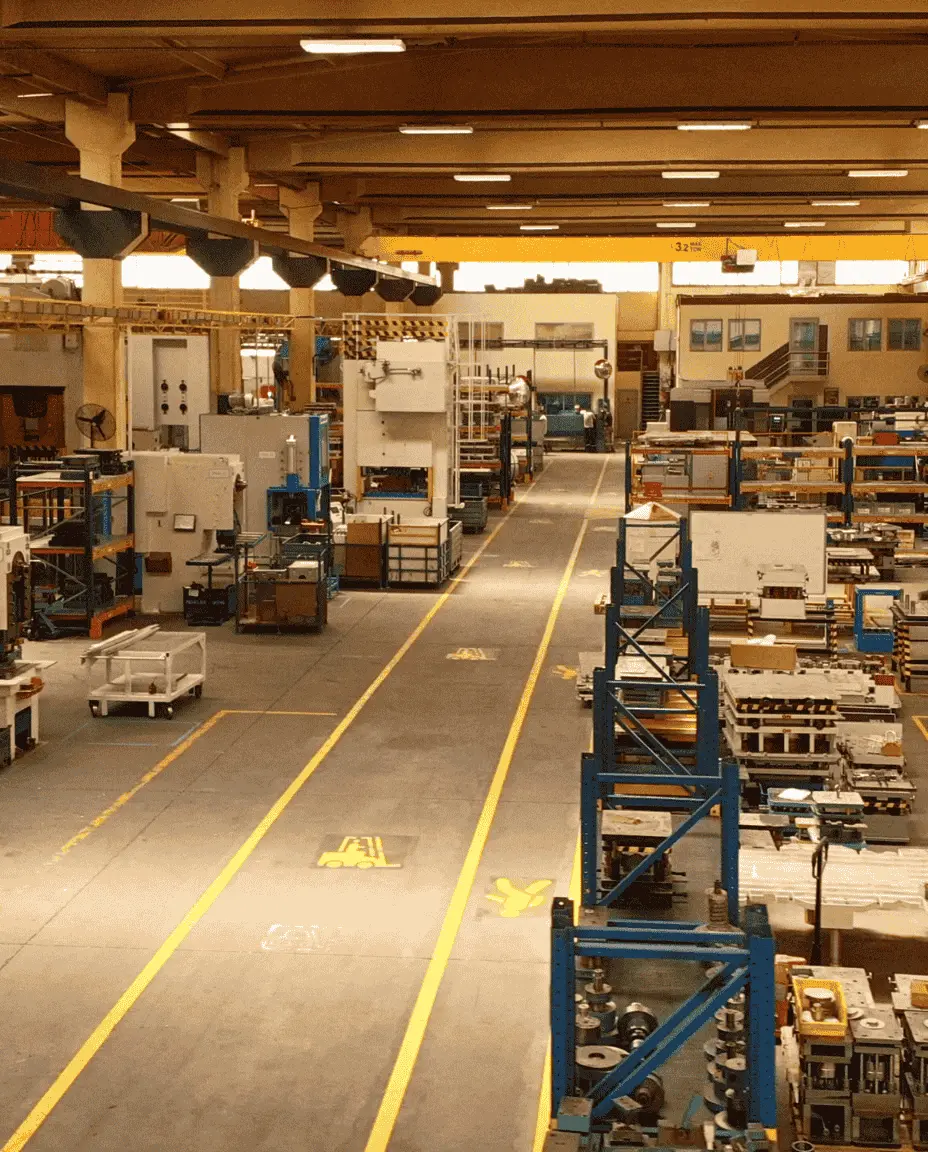




Carbon credit market: A major opportunity for pioneering businesses
Table Of Contents
Table Of Contents

Vietnam will pilot the carbon trading exchange from June 2025 to 2028 before officially operating it in 2029. The development of the carbon market not only helps reduce greenhouse gas emissions but also creates financial opportunities for green projects, encourages businesses to adopt low-emission technologies, and increases profitability through carbon credit transactions. Understanding the origin and trading mechanisms of carbon credits in both voluntary and compliance carbon markets presents a tremendous opportunity for businesses leading the trend.
MAIN CONTENT:
|
1. What are carbon credits? 2. Carbon credit markets for businesses 2.1. Compliance carbon market (ETS) 2.2. Voluntary carbon market (Carbon Offset) 3. Key considerations for businesses 4. Vinacontrol’s sustainable carbon solutions |
1. What are Carbon Credits?
Carbon credit is a general term for tradeable credits or permits that represent one ton of carbon dioxide (CO₂) or an equivalent amount of another greenhouse gas (tCO₂e). The buying and selling of CO₂ emissions or carbon trading in the market are conducted through these credits.
The average price of a carbon credit ranges from VND 230,000 to VND 2,300,000. Over the years, more than 36 million carbon credits have been sold in Vietnam. Assuming an average price of VND 1,000,000 per carbon credit, businesses have generated a total revenue of VND 36 trillion (USD 1.8 billion). According to McKinsey (2022), by 2030-2050, the number of carbon credits could increase 5-10 times, creating significant opportunities for renewable energy companies and businesses investing in afforestation projects.

Carbon credits are tradable certificates that allow holders to emit one ton of CO₂
→ Read more: What is Net Zero? How to achieve it?
2. Carbon Credit Markets for Businesses
The carbon credit market enables businesses to trade carbon credits to comply with national and international environmental regulations. The market operates under the principle that "polluters pay"—companies that exceed emission limits must compensate by purchasing carbon credits from those with surplus allowances. The market is divided into two main categories:
-
Compliance carbon market (ETS)
-
Voluntary carbon market (Carbon Offset)
2.1. Compliance Carbon Market (ETS)
The Emission Trading System (ETS), also known as the cap-and-trade system, sets a government-imposed cap on total greenhouse gas emissions from businesses. Companies emitting less than their allocated limit can sell excess carbon credits to those exceeding their permitted emissions.
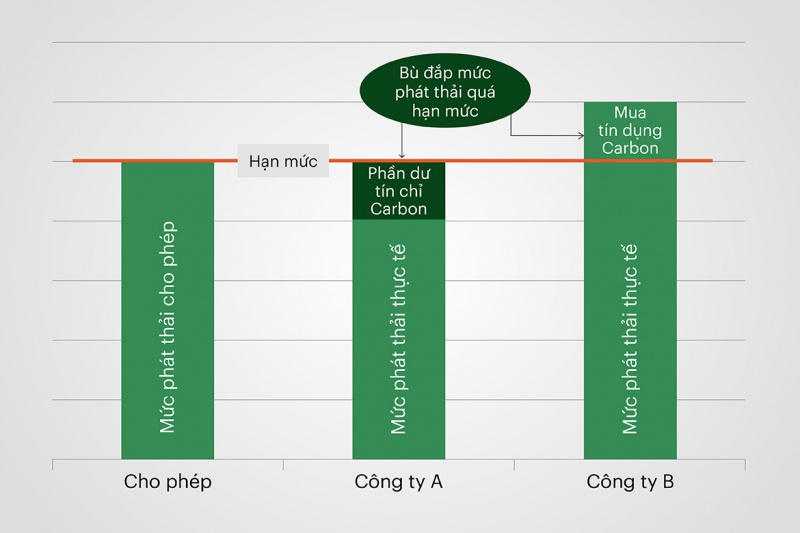
How carbon credit trading works in the compliance carbon market (ETS)
→ Read more: Technology Transfer for Greenhouse Gas Inventory – A Solution for Businesses
2.2. Voluntary Carbon Market (Carbon Offset)
While carbon credits are traded in the compliance market, carbon offset credits are exchanged in the voluntary market. These credits originate from two main sources:
-
Nature-based solutions: Including afforestation, forest conservation, and other environmental projects that absorb CO₂ from the atmosphere.
-
Technology-based solutions: Including the use of renewable energy, development of eco-friendly production methods, and other technologies aimed at directly reducing emissions.
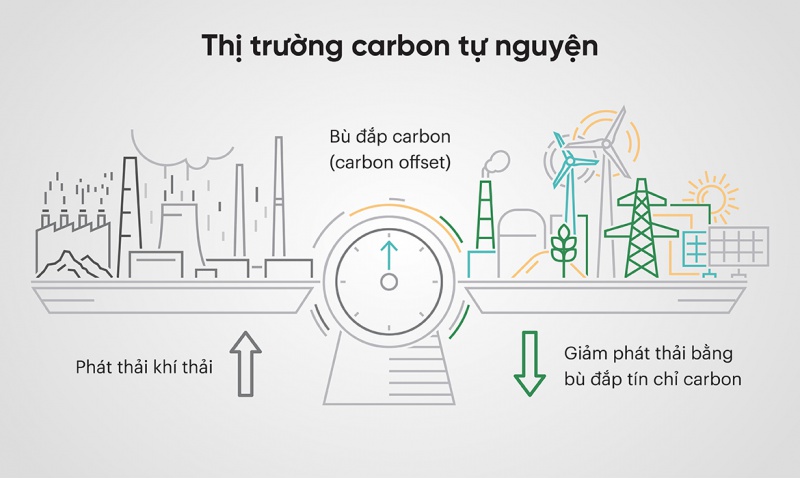
How the voluntary carbon market (carbon offset) works
When a carbon offset project is completed, the project developer can sell carbon offset credits to companies in the voluntary carbon market. Companies purchasing these offsets can use them to compensate for their greenhouse gas emissions.
→ Read more: What Are Greenhouse Gases? Key Considerations for Businesses
3. Key Considerations for Businesses
The carbon credit market is highly volatile and lacks liquidity. Prices range from USD 5 to nearly USD 100 per credit, depending on market conditions, transaction scale, and industry. For instance, the plastic production and recycling sector may face a price ceiling of USD 100 per credit due to its high environmental impact and difficulty in reducing emissions. Meanwhile, carbon credits from coconut and forest projects cost only USD 5-10. Understanding the market and predicting price trends will help businesses make informed investment decisions.
Businesses should also focus on transparency and market acceptance. To gain recognition, carbon credit projects must be audited and certified by reputable organizations. This not only enhances investor confidence but also contributes to effective environmental protection.
Participating in the carbon credit market requires businesses to have a sustainability vision, be ready to invest in clean technology, and adapt to a green supply chain. According to the World Bank, the global carbon market could reach USD 250 billion by 2030, with 196 countries involved in the Paris Agreement on Climate Change. This highlights the potential growth of Vietnam's carbon credit market and presents opportunities for sustainable business development.
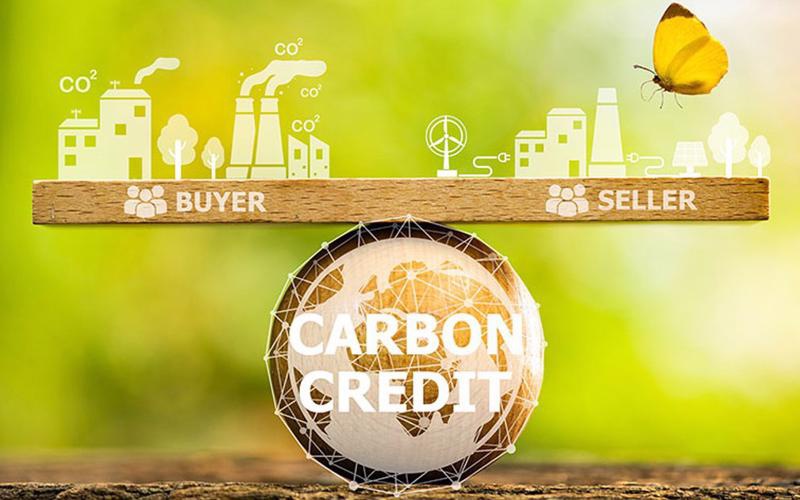
The carbon credit market is currently assessed as highly volatile and illiquid
→ Read more: CBAM Mechanism – What Do Businesses Need to Do to Meet EU Export Market Requirements?
4. Vinacontrol’s Sustainable Carbon Solutions
Vinacontrol – your trusted partner in conquering the carbon credit market and achieving sustainable development. As Vietnam’s leading conformity assessment organization, we offer comprehensive carbon solutions to help businesses optimize emission reduction strategies, enhance transparency, and meet international requirements:
- Consulting on greenhouse gas inventory reporting.
- Consulting on emission reduction reporting.
- Consulting on CBAM reporting and declaration.
- Validation of greenhouse gas inventory reports.
- Carbon footprint verification.
- Carbon credits.
For Vinacontrol's services, please contact our Hotline/Zalo: 0243 943 3840 for the best consultation and support!