VI
VI
 EN
EN





What is Sustainable Development? Key concepts and solutions to promote Sustainable Development
Table Of Contents
Table Of Contents
Sustainable Development has become a top priority for organizations, businesses, and nations worldwide, including Vietnam, as global environmental issues become increasingly severe. Sustainable Development entails achieving comprehensive and balanced progress in economic, social, and environmental aspects. By implementing sustainable solutions, we can ensure a strong, healthy, and equitable society for future generations. In this article, Vinacontrol will summarize key concepts and solutions to support businesses in driving the green transition towards sustainable development.

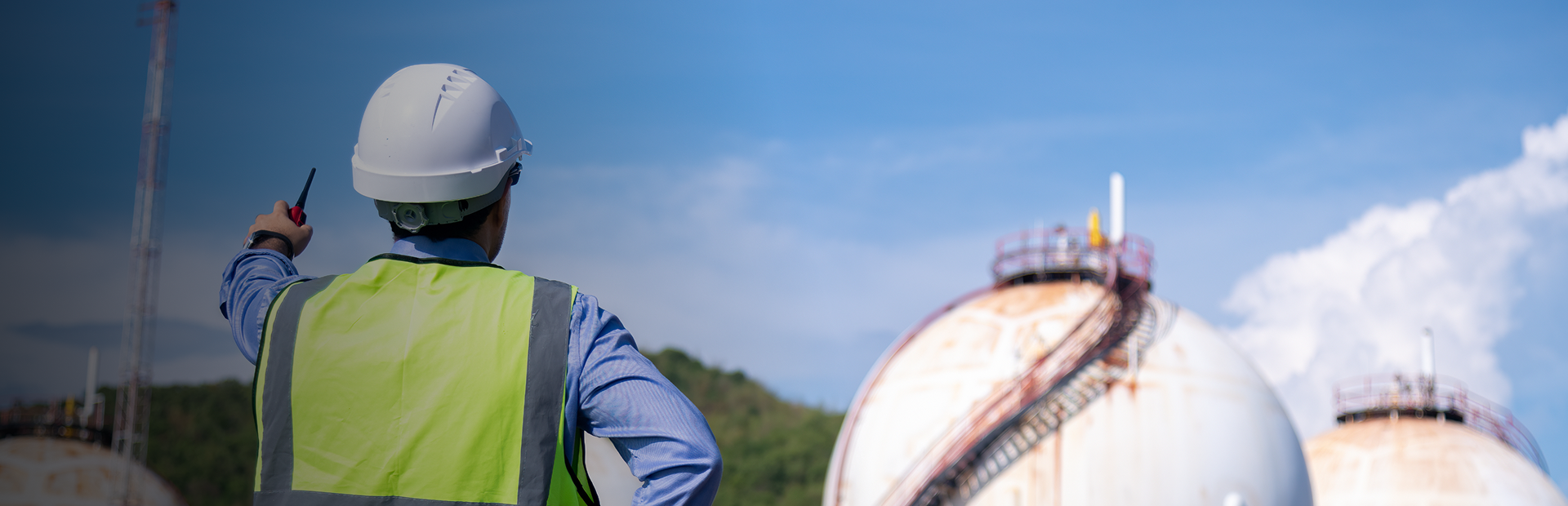
Sustainable Development has become a top priority for organizations, businesses, and nations worldwide
Contents:
|
1. What is Sustainable Development? 2. Why is Sustainable Development necessary? 3. Goals of Sustainable Development 4. Key principles of Sustainable Development 5. Current status and objectives of Sustainable Development in Vietnam 6. Sustainable Development solutions 7. Vinacontrol accompanies businesses in driving the green transition towards Sustainable Development |
1. What is Sustainable Development?
Sustainability:
Sustainability refers to the concept of maintaining balance and conducting activities at a level that can be continued long-term without harming the natural environment, depleting resources, or negatively impacting future generations.
It often involves balancing economic, social, and environmental considerations to ensure continuous and lasting development.
Sustainability comprises three main components, often referred to as the "3Ps":
-
Profit: Sustaining economic growth and development without depleting resources.
-
People: Building an equitable and fair society that improves quality of life, where individuals have the opportunity to develop, are protected in their rights, and enjoy benefits.
-
Planet: Protecting the natural environment to ensure that natural resources are not depleted and ecosystems can sustain life.
Sustainable Development:
Sustainable Development is the process of development that meets the diverse needs of the present in terms of economy, society, and environment, without compromising the ability of future generations to meet their own needs. In other words, sustainable development aims to create a balance between economic growth, environmental protection, and social equity.
The three main pillars of sustainable development are:
-
Economy: Ensuring stable and sustainable economic growth, improving quality of life, and increasing incomes for all.
-
Society: Ensuring social equity, enhancing the quality of education and healthcare, and protecting the rights of all societal groups.
-
Environment: Using natural resources responsibly, minimizing pollution and environmental degradation, and protecting natural ecosystems.

Sustainable Development creates a balance between economic growth, environmental protection, and social equity
Sustainable Development is often embodied in policies and strategies that balance economic, social, and environmental needs to ensure a sustainable and prosperous future for everyone.
2. Why is Sustainable Development necessary?
Sustainable Development is not only a goal but also a comprehensive approach to ensuring that we can maintain and improve the quality of life for everyone on this planet.
-
Environmental protection: Sustainable development helps protect and preserve natural resources such as water, soil, air, and forests, ensuring they are not over-exploited or polluted, safeguarding them for future generations.
-
Climate change mitigation: By promoting environmentally friendly production and consumption methods, sustainable development helps reduce greenhouse gas emissions and other negative impacts of climate change, protecting the planet.
-
Enhancing social equity: It reduces economic and social disparities, ensuring that everyone has access to basic services such as education, healthcare, and clean water.
-
Sustainable economic development: It creates stable jobs, improves living standards, and encourages investment in cleaner, more efficient technologies and production methods, ensuring resources for the future.
-
Ensuring human health and well-being: It focuses on improving quality of life, including nutrition, health, clean water, and sanitation, fostering a healthy and happy life.
-
Strengthening international cooperation: It promotes collaboration between countries and international organizations, sharing knowledge, technology, and resources to address global issues such as climate change, poverty, and environmental protection.
-
Protecting and enhancing biodiversity: It helps protect plant and animal species and ecosystems, ensuring valuable genetic resources are preserved and not driven to extinction.

The three main pillars of Sustainable Development
3. Goals of sustainable development
The goal of sustainable development is to create a fair, prosperous, and sustainable world for all. To achieve this, the United Nations established 17 Sustainable Development Goals (SDGs) in 2015, guiding countries and organizations worldwide in their development activities.

The 17 Sustainable Development Goals of the United Nations, Source: United Nations
The specific goals include:
|
Goals |
Content |
|
Goal 1: No Poverty |
End poverty in all its forms everywhere |
|
Goal 2: Zero Hunger |
The food and agriculture sector offers key solutions for development, and is central for hunger and poverty eradication |
|
Goal 3: Good Health and Well-Being |
Ensuring healthy lives and promoting the well-being for all at all ages is essential to sustainable development |
|
Goal 4: Quality Education |
Obtaining a quality education is the foundation to improving people’s lives and sustainable development |
|
Goal 5: Gender Equality |
Gender equality is not only a fundamental human right, but a necessary foundation for a peaceful, prosperous and sustainable world |
|
Goal 6: Clean Water and Sanitation |
Clean, accessible water for all is an essential part of the world we want to live in |
|
Goal 7: Affordable and Clean Energy |
Energy is central to nearly every major challenge and opportunity |
|
Goal 8: Decent Work and Economic Growth |
Sustainable economic growth will require societies to create the conditions that allow people to have quality jobs |
|
Goal 9: Industry, Innovation, and Infrastructure |
Investments in infrastructure are crucial to achieving sustainable development |
|
Goal 10: Reduced Inequalities |
To reduce inequalities, policies should be universal in principle, paying attention to the needs of disadvantaged and marginalized populations |
|
Goal 11: Sustainable Cities and Communities |
There needs to be a future in which cities provide opportunities for all, with access to basic services, energy, housing, transportation and more |
|
Goal 12: Responsible Consumption and Production |
Responsible Production and Consumption |
|
Goal 13: Climate Action |
Climate change is a global challenge that affects everyone, everywhere |
|
Goal 14: Life Below Water |
Careful management of this essential global resource is a key feature of a sustainable future |
|
Goal 15: Life on Land |
Sustainably manage forests, combat desertification, halt and reverse land degradation, halt biodiversity loss |
|
Goal 16: Peace, Justice and Strong Institutions |
Access to justice for all, and building effective, accountable institutions at all levels |
|
Goal 17: Partnerships |
Revitalize the global partnership for sustainable development |
4. Key principles of sustainable development
Sustainable Development is based on fundamental principles to ensure a balance between economic, social, and environmental factors. Specifically:
-
Economic sustainability: Ensure continuous and stable economic growth, with factors like inflation, interest rates, and public debt being tightly managed. Promote quality and efficiency in production by adopting advanced technology while minimizing negative impacts on society and the environment.
-
Social sustainability: Ensure social equity and poverty reduction, creating stable employment and income opportunities for workers. Guarantee that everyone has access to basic services such as healthcare and education, thereby minimizing negative impacts on the economy and the environment.
-
Environmental sustainability: Use natural resources responsibly, avoiding over-exploitation. Protect biodiversity, maintain atmospheric stability, limit pollution, and manage waste efficiently. This includes reducing the impacts of climate change and natural disasters.
5. Current status and objectives of Sustainable Development in Vietnam
Sustainable development is a common trend that all humanity is striving towards. It is also an important strategic goal that the Party, Government, and people of Vietnam are determined to achieve.
The 13th National Party Congress Resolution on Vietnam's socio-economic development strategy for 2021-2030, with a vision for 2050, clearly states: “Rapid and sustainable development is primarily based on science and technology, innovation, and digital transformation”. At the same time, it is determined to persist with the path and goal of comprehensive and sustainable development.
Vietnam has made significant efforts and achieved important milestones on the path to sustainable development. The Government has promoted national programs on sustainable development and established the National Council for Sustainable Development (NCSD), continuously enhancing national competitiveness.
According to the National Master Plan for 2021-2030 with vision for 2050, Vietnam has defined its development strategy and set the following goals:
Economic goals:
-
From 2021-2030, GDP growth will average about 7% per year. By 2030, per capita GDP at current prices will reach about USD 7,500.
-
The service sector's share of GDP will exceed 50%; the industry-construction sector over 40%; and the agriculture-forestry-fishery sector under 10%.
-
The average annual labor productivity growth rate will exceed 6.5%. The contribution of total factor productivity (TFP) to growth will exceed 50%.
-
Leverage regional economic and social advantages. Develop sustainable urban areas in a network, with an urbanization rate exceeding 50%.
-
Develop digital infrastructure and data. The digital economy's share of GDP will reach about 30%.
Social goals:
-
Maintain a Human Development Index (HDI) above 0.7. Improve job quality and keep the unemployment rate at a reasonable level.
-
Develop Vietnam’s education system to be among the top 10 in Asia with the best higher education systems.
-
Improve healthcare services to the level of advanced countries in the region. Meet the needs of care, protection, and enhancement of public health, aiming for equity, quality, efficiency, and international integration.
-
Build a healthy cultural environment in all aspects of social life.
Environmental goals:
-
Improve forest quality. Protect and restore important natural ecosystems, enhance biodiversity quality.
-
Collect and manage household waste according to standards and regulations.
-
Reduce greenhouse gas emissions in all sectors, strive to achieve net-zero emissions by 2050.
Infrastructure development goals:
-
Establish a basic national infrastructure framework, including road traffic axes, gateway seaports, international airports, and railways.
-
Build a modern, synchronized infrastructure system to facilitate economic development and improve the quality of life.
-
Make efforts to minimize logistics costs to enhance economic competitiveness.
National defense and security goals:
-
Firmly protect national independence, sovereignty, unity, and territorial integrity.
-
Closely and harmoniously combine economic, cultural, social development with defense and security consolidation.
-
Maintain a peaceful, politically stable environment, ensure social order and safety.

Sustainable Development is a strategic goal of Vietnam
6. Sustainable Development solutions
In the context of growing environmental and social challenges, sustainable development solutions are more crucial than ever. Key solutions include:
Sustainable agriculture:
Focus on eco-friendly practices to minimize negative impacts on natural resources and biodiversity while maximizing productivity and profits for farmers.
Sustainable agriculture solutions include organic farming, crop rotation, regenerative agriculture, agroforestry, and integrated pest management.

Sustainable agriculture solutions
Renewable energy:
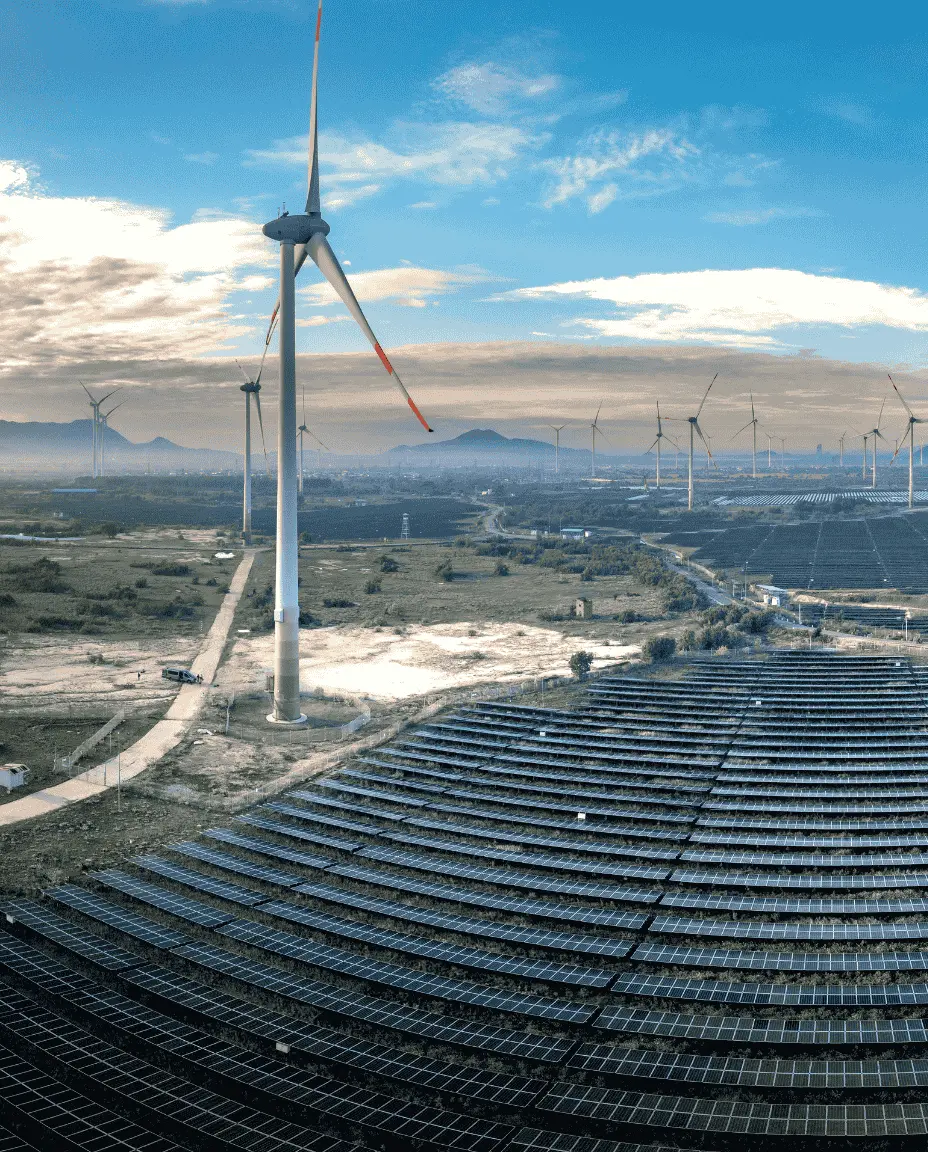
Energy from replenishable sources such as wind, solar, and hydropower is essential for sustainable development, reducing carbon emissions, air pollution, and dependence on non-renewable resources like oil and coal.
Renewable energy solutions include solar panels, wind turbines, and hydroelectric systems.

Renewable energy solutions
Green infrastructure:
Systems using natural features and processes like wetlands, forests, green roofs, etc. to provide environmental, economic, and social benefits. Green infrastructure helps address environmental challenges by reducing flood risks, improving water and air quality.

Green infrastructure solutions
Circular economy:
An economic model that minimizes waste and promotes sustainability by using resources for as long as possible. Principles include eliminating waste, reusing products and materials, and regenerating natural systems. Solutions include recycling, reusing, and redesigning products and materials.
Sustainable transportation:
Reduces the impact of transportation on the environment and society by promoting low-carbon transport modes like cycling, walking, and public transit. It also includes adopting electric and hybrid vehicles, carpooling, and eco-driving techniques.

Sustainable transportation solutions
7. Vinacontrol accompanies businesses in driving the green transition towards Sustainable Development
To achieve green transition and sustainable development, businesses need to minimize carbon emissions from their production and supply chains. The first step is understanding and accurately measuring these emissions.
As the leading reputable conformity assessment organization in Vietnam, Vinacontrol ensures objectivity, accuracy, timeliness and reliability in assessing greenhouse gas emissions in compliance with regulations of regulatory agencies. State regulations and international standards. Vinacontrol provides a consulting service package for Greenhouse Gas Inventory - Guidance on quantifying and reporting greenhouse gas emissions according to ISO 14064-1 including the following activities:
-
Business survey - Determine inventory goals and scope
-
Identify emission activities; Collect information, documents, and records to serve quantitative inventory activities.
-
Emission quantification.
-
Greenhouse Gas Inventory by base year.
-
Greenhouse Gas Inventory report.
-
Instructions for collecting information and proactively preparing greenhouse gas inventory reports.

Vinacontrol accompanies businesses in driving the green transition towards sustainable development
→ Learn more:
-
Green Finance: Sustainable Development Solution for Businesses
-
What is the carbon credit market? 6 content you may not know
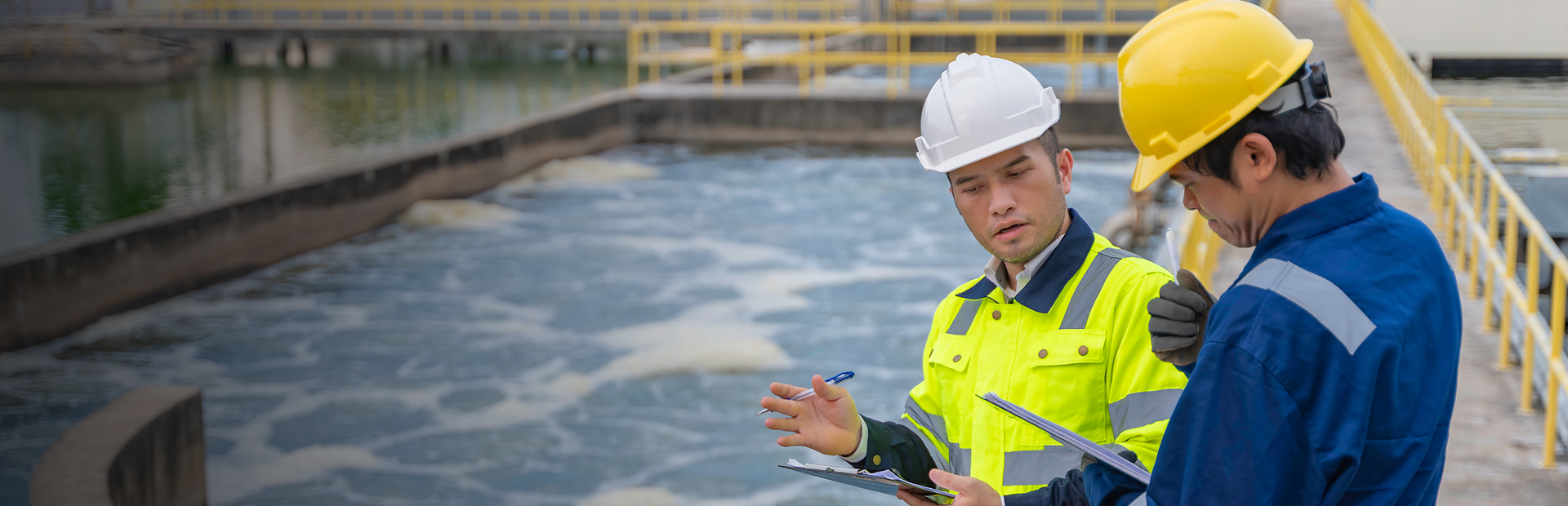
Vinacontrol ensures objectivity, accuracy, and reliability in evaluating greenhouse gas emissions according to international standards.
For any service requests from Vinacontrol, please contact us at Hotline: 0243.943.3840 or leave your information here for timely consultation and support.