VI
VI
 EN
EN









Green Finance: Sustainable Development Solution for Businesses
Table Of Contents
Table Of Contents
Green finance is a particularly important trend for countries worldwide to promote the green economy transition. In Vietnam, green finance is a necessary path for implementing the strategy of green growth, sustainable development, climate change adaptation, and environmental protection.

|
Content: 1. What is Green Finance? 2. The roles of green finance in sustainable development 2.1. Supporting green projects 2.2. Encouraging businesses to adopt sustainable business models 2.3. Promoting innovation 2.4. Enhancing international cooperation 3. Types of green finance 4. Benefits of green finance 5. Current status of green finance market in Vietnam 6. Vinacontrol’s solution to help businesses attract green capital |
Green Finance refers to mobilizing and allocating capital (from financial institutions, businesses, and individuals) to invest in projects and activities that are beneficial to the environment and society, aiming towards sustainable development.
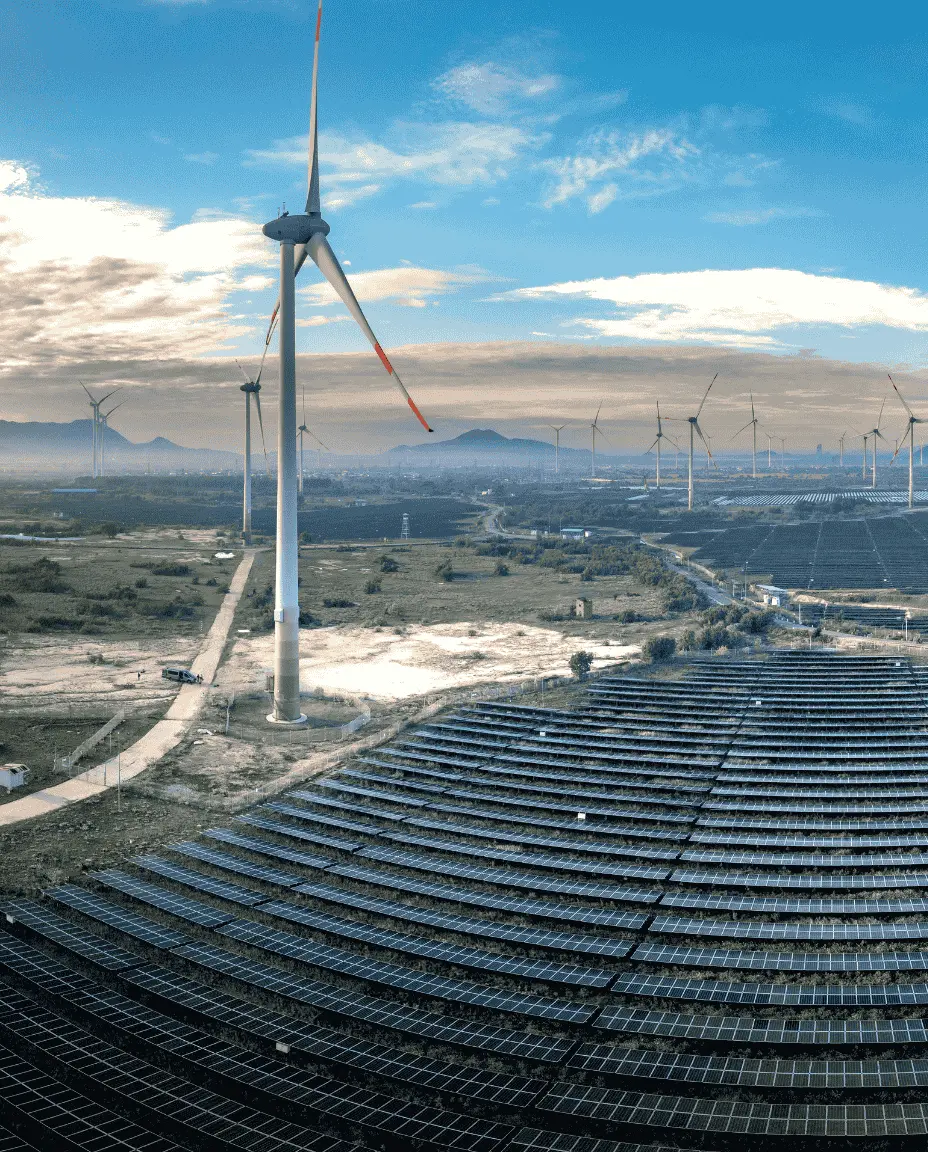
Simply put, instead of directing capital flows into projects that pollute or deplete resources, green finance prioritizes supporting environmentally friendly activities such as forest conservation, green manufacturing, renewable energy projects and climate change adaptation, etc.

2. The role of green finance in sustainable development
Green finance plays a pivotal role in promoting sustainable development. It not only focuses on capital mobilization but also manages environmental and social risks to ensure that economic activities yield long-term environmental benefits.
2.1. Supporting green projects
Green finance supports green projects (including greenhouse gas emissions reduction, natural resources protection and development of green infrastructure) through preferential loans, guarantees, and other financial tools.
2.2. Encouraging sustainable business models
Green finance encourages businesses to adopt sustainable business models by providing preferential financial tools such as green bonds, green credit, and green investment funds. Companies can utilize these funds to invest in green technologies, enhance resource efficiency, minimize environmental impacts, and improve working conditions for employees.
Implementing sustainable business models not only enhances competitive capabilities but also contributes to environmental protection and community development.
2.3. Promoting innovation
Green finance plays a crucial role in promoting innovation by directing green capital into research and development of new technologies. Businesses can leverage financial support from green finance to implement innovative solutions that reduce environmental impacts and enhance operational efficiency.
2.4. Enhancing international cooperation
Countries worldwide can collaborate to share resources, experiences, and technologies in green finance to collectively address environmental challenges. International cooperation contributes to achieving the Sustainable Development Goals (SDGs) by 2030 and building a sustainable future for the planet.
3. Types of green finance
Various types of green finance include financial tools and activities aimed at protecting and developing the environment, minimizing negative environmental impacts, and promoting sustainability across different sectors of the economy. Below are some common types:
-
Green Bonds: Issued by governments, corporations, or financial institutions to fund environmentally beneficial projects like renewable energy, energy efficiency, water management, and flood control.
-
Green Investment Funds: Raised by institutional and individual investors to invest in environmentally friendly businesses and projects. These funds play a crucial role in efficient capital allocation and supporting the development of green enterprises.
-
Green Banks: Financial institutions specializing in offering preferential financial products and services to projects and enterprises of green industry sectors. Green banks can be independent entities or specialized departments of commercial banks.
-
Green Credit: Loans provided to businesses or individuals to support projects or products that have positive environmental impacts. Typically, investments in clean energy projects, recycling technologies, and greenhouse gas reduction solutions.
-
Carbon offsets and credits: Financial mechanisms that allow organizations, companies, or individuals to purchase carbon offsets or credits to compensate for the carbon emissions they generate. These units are often used to invest in carbon absorption projects such as afforestation, solar energy gardens, or carbon capture technologies.
4. Benefits of green finance
Green finance brings significant benefits to various aspects of society and the economy, including:
Business benefits:
-
Competitive advantage: In response to escalating challenges from climate change and other environmental and economic issues, low-carbon developments can be shifted from voluntary to mandatory strategies. Expanding green finance can provide organizations competitive advantages as environmental regulations tighten.
-
Enhancing business value: Businesses can increase the value of their investment portfolios by bolstering (and promoting) their involvement in green finance. This gives companies a green edge, attracting environmentally conscious investors and customers.
-
Economic prospects: Investing in sustainable solutions and projects through green finance can yield long-term economic benefits by reducing environmental risks and policy volatility. Additionally, it helps businesses access new markets and engage with investors and partners interested in sustainable values.
Environmental benefits:
-
Promoting eco-friendly activities: Green finance provides funding for environmentally friendly business operations and investments. Investing in renewable energy projects, water and waste management, and preserving ecosystems such as forests and oceans helps minimize negative environmental impacts.
-
Promoting sustainable development: Green finance supports businesses in transitioning to sustainable business models, while encouraging individuals and households to adopt green lifestyles.
-
Climate change adaptation: Green finance plays a crucial role in mobilizing resources to finance climate change adaptation activities, such as building levees, afforestation, and developing disaster warning systems.
Economic benefits:
-
Job creation: Green projects often require more workers than traditional projects, leading to increased employment and economic development.
-
Attracting investors: The green finance market is rapidly growing, attracting interest from investors concerned about environmental and social issues. For instance, retirement funds and investment funds may be invested in green bonds or companies engaged in renewable energy.
-
Risk reduction: Green finance helps mitigate risks associated with climate change and environmental pollution, thereby enhancing business efficiency and stabilizing the economy.
Social benefits:
-
Improving quality of life: A green, clean environment and stable climate bring numerous health and quality-of-life benefits to people.
-
Reducing inequality: Green finance supports the narrowing of the wealth gap and ensures that everyone has access to green financial services and infrastructure.
-
Promoting community development: Green projects are often implemented in local communities, contributing to improving both the material and spiritual aspects of people's lives.
5. Current status of green finance market in Vietnam
As one of the countries severely affected by natural disasters and climate change, Vietnam identifies green growth as a crucial strategy for achieving sustainable development. Therefore, for many years, the Party and the State of Vietnam have particularly focused on investing in green growth. Notably, with the commitment to achieve net zero emissions by 2050 and limit methane emissions by 2030 at COP26, the demand for investment in projects that mitigate environmental impacts in Vietnam will increasingly grow. Under the Government's guidance, the system of documents and legal policies, including decrees, circulars, and decisions from ministries and sectors on green finance, has gradually been perfected. These regulations include various tools such as green bonds, green stocks, green credit, etc., creating favorable conditions for enterprises to mobilize green capital domestically and internationally.

The green finance market in Vietnam presents the following potentials and challenges:
|
Potentials |
Challenges |
|
|
6. Vinacontrol’s solution to help businesses attract green capital
Green finance is gradually becoming a global trend, with participation of governments, national and regional financial systems, and international financial financial institutions. To access green credit sources, businesses need to transition to green models, starting with green governance, developing strategies to green their operations, and minimizing emissions during production and operations.
The first step that businesses should take to begin the green transition process is to clearly understand the emissions data from their production and business activities.
As the leading reputable conformity assessment organization in Vietnam, Vinacontrol ensures objectivity, accuracy, timeliness and reliability in assessing greenhouse gas emissions in compliance with regulations of regulatory agencies. State regulations and international standards. Vinacontrol provides a consulting service package for Greenhouse Gas Inventory - Guidance on quantifying and reporting greenhouse gas emissions according to ISO 14064-1 including the following activities:
-
Business survey - Determine inventory goals and scope
-
Identify emission activities; Collect information, documents, and records to serve quantitative inventory activities.
-
Emission quantification.
-
Greenhouse gas inventory by base year.
-
Greenhouse gas inventory report.
-
Instructions for collecting information and proactively preparing greenhouse gas inventory reports.

→ Learn more:
Creating a public, accurate, and objective report on greenhouse gas inventory with a reputable and independent organization like Vinacontrol is a proactive demonstration of compliance with regulations of the Government of Vietnam and other countries in the world, while demonstrating the business's strong commitment to sustainable development.
For any service requests from Vinacontrol, please contact us at Hotline: 0243.943.3840 or leave your information here for timely consultation and support.