VI
VI
 EN
EN










Conformity Certification for Textile Products
Table Of Contents
Table Of Contents
Circular No. 28/2012/TT-BKHCN stipulates that textile products and goods must undergo conformity declaration in compliance with national technical regulations on limits of formaldehyde content and aromatic amines derived from azo dyes in textile products. These products must bear the conformity mark (CR mark) before being placed on the Vietnamese market.
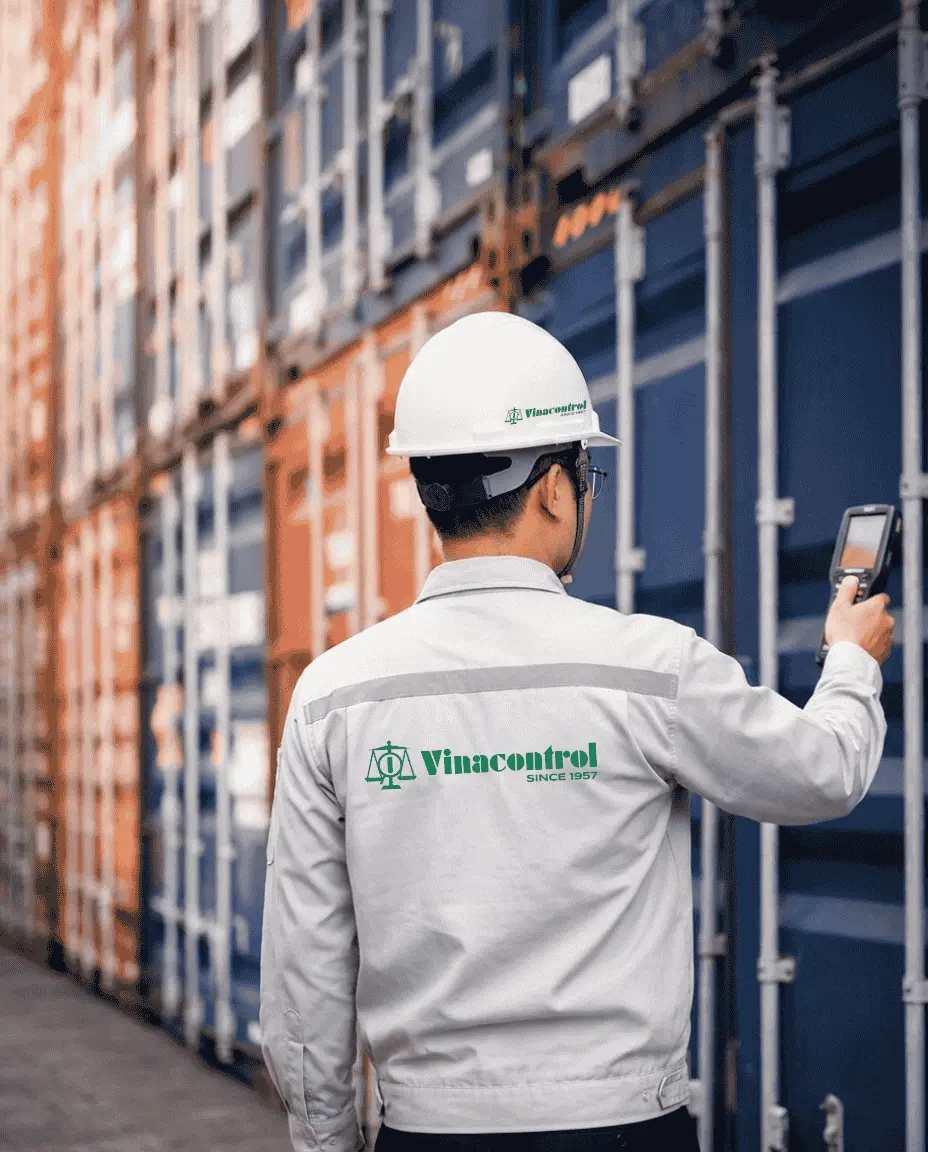
With over 70 years of experience in conformity assessment and a modern testing infrastructure compliant with ISO/IEC 17025, Vinacontrol supports businesses throughout the entire process of assessment, testing, certification, and conformity declaration, ensuring accuracy, objectivity, and compliance with current legal requirements.
Service Background

Conformity certification for textile products is the process of assessing and verifying that textile product quality complies with the National Technical Regulation QCVN 01:2017/BCT.
Upon certification, products are issued a Certificate of Conformity and are required to bear the conformity mark (CR mark) in accordance with regulations, thereby becoming eligible for legal circulation in the market.
Vinacontrol’s services support businesses by:
- Ensuring compliance with legal requirements for product circulation
- Controlling hazardous substances such as formaldehyde and aromatic amines derived from azo dyes
- Enhancing brand reputation and building trust with customers and partners
- Improving competitiveness in both domestic and international markets
Applicable Entities
- Organizations and individuals manufacturing textile products domestically
- Organizations and individuals importing textile products into Vietnam
- Organizations and individuals engaged in trading, distribution, and retail of textile products in Vietnam
- Garment manufacturers and processing facilities using textile materials
Which Products Require Conformity Certification?
From July 1, 2026, businesses must cross-check product descriptions and HS codes against Circular 33/2026/TT-BCT on the Lists of Medium-Risk and High-Risk Products and Goods under State Management of the Ministry of Industry and Trade.
When determining the scope of application, reliance should not be placed solely on trade names. Enterprises must concurrently review:
- HS codes and product descriptions;
- Material composition;
- Product use and application;
- Target users;
- Level of direct skin contact;
- Finishing, bleaching, or dyeing status.
Formaldehyde and Aromatic Amine Content Limits in Textile Products
|
Textile Product Group |
Maximum Formaldehyde Content (mg/kg) |
Maximum Aromatic Amines (mg/kg) |
|
Textile products for children under 36 months |
30 |
30 |
|
Textile products in direct contact with skin |
75 |
30 |
|
Textile products not in direct contact with skin |
300 |
30 |
Service Process
Established in 1957, Vinacontrol is Vietnam's oldest conformity assessment organization designated by the Ministry of Industry and Trade to perform conformity certification for textile and apparel products under QCVN 01:2017/BCT.
For Domestically Produced Textile Products
Domestically manufactured products undergo conformity certification under Method 5. Specifically:
- Step 1: Register for conformity certification using Vinacontrol's application form;
- Step 2: Conclude the contract and finalize the quotation;
- Step 3: Consult on establishing a quality assurance system at the factory (this step is bypassed if an ISO 9001 certificate is already in place);
- Step 4: Vinacontrol conducts factory conformity assessment and draws test samples;
- Step 5: Review the assessment dossier;
- Step 6: Vinacontrol issues the certificate of conformity;
- Step 7: The enterprise completes the conformity declaration at the Department of Industry and Trade (Vinacontrol will guide clients through this step).
For Imported Textile Products
Imported products require quality inspection of imported goods (also known as conformity certification under Method 7). Specifically:
- Step 1: Register for conformity certification using Vinacontrol's application form;
- Step 2: The importing enterprise registers quality inspection procedures with Customs (for the imported shipment);
- Step 3: Vinacontrol conducts assessment and draws test samples from the shipment (sampling can take place at the port or warehouse);
- Step 4: Vinacontrol issues the certificate of conformity for the shipment;
- Step 5: The enterprise completes the conformity declaration pursuant to Decree 37/2026/NĐ-CP (Vinacontrol will guide clients through this step).
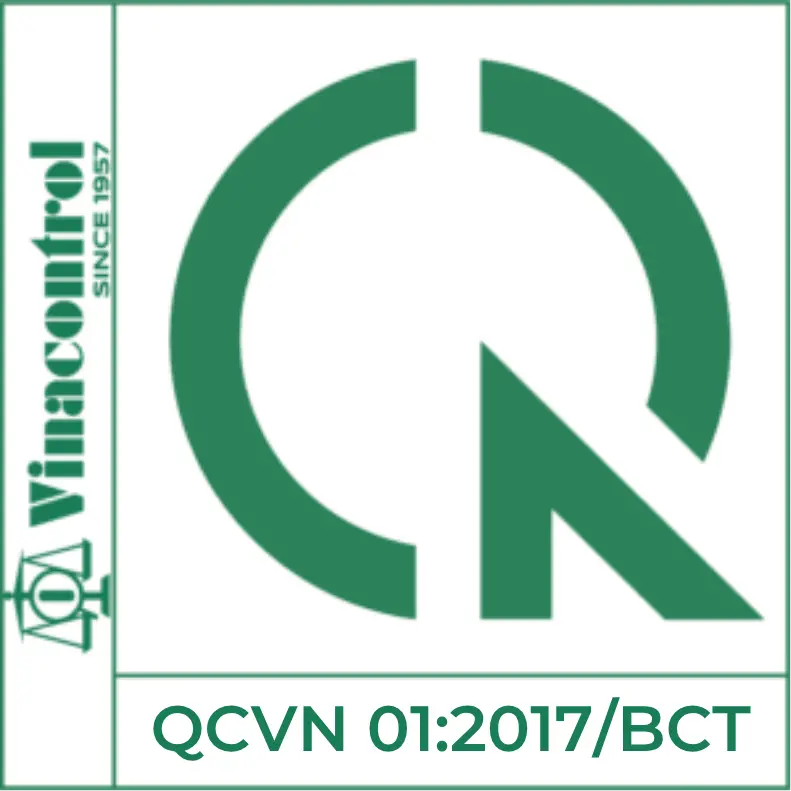
Vinacontrol's conformity mark for textiles and apparel
Certification Methods
|
Certification Method |
Applicable Scope |
Vinacontrol Designated |
|
Method 5 |
Domestically manufactured textile products |
✔ |
|
Method 7 |
Imported textile products |
✔ |