VI
VI
 EN
EN










Rising Export Prices of Vietnamese Rice
Table Of Contents
Table Of Contents
Within just a month, Vietnam's export price of rice has risen by 21%, reaching its highest level since July 2008.
1. Overview of the Rice Market in August 2023
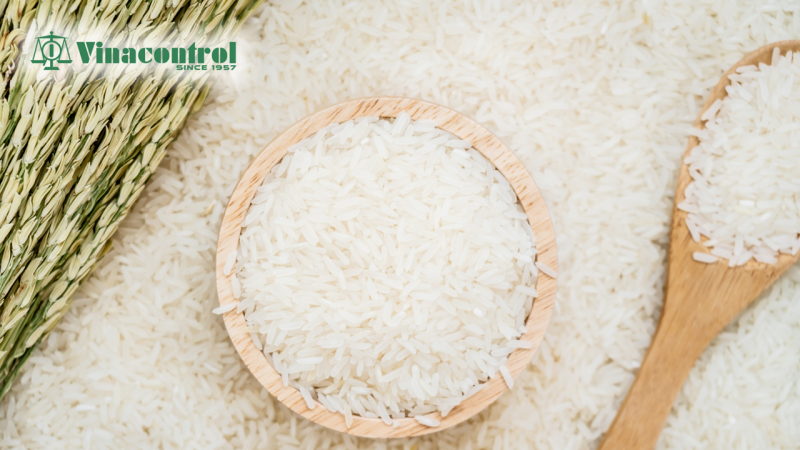
In the context of continued high demand for food imports, the export prices of rice from Vietnam and other Asian countries are continuing to surge. As of the past weekend, the export price of 5% broken rice from Vietnam is being offered at $638 per ton, marking a $20 per ton increase compared to the previous week.
Consequently, within just a month, Vietnam's export price of rice has risen by 21%, reaching its highest level since July 2008. This presents a significant opportunity for Vietnam's rice exports. According to the Ministry of Agriculture and Rural Development, Vietnam's rice exports for the first 7 months of 2023 reached 4.84 million tons with a value of $2.58 billion, marking a 29.6% increase compared to the same period last year.
Currently, the demand for rice imports remains high. Vietnamese rice exporting businesses should seize the opportunity to export rice while prices are increasing. To facilitate a smooth rice export process, enterprises need to adhere to the quantity and quality requirements stipulated.
2. Some applicable standards for rice products
As stipulated, exported rice must adhere to corresponding national standards, technical regulations, and meet requirements for quality, packaging, labeling, packaging, preservation, and origin traceability according to the regulations of the importing country (unless the importer has different requirements, in which case they will be followed). Therefore, rice exporting businesses must strictly adhere to these relevant conditions to ensure the best possible quality of exported rice.
Some standards applicable to rice products include:
- ISO / DIS 7301: Rice - Technical requirements
- Codex standard for rice
- TCVN 1643: 2008 (White Rice - Test Method)
- QCVN 8-1: 2011 / BYT (National Technical Regulation on fungal toxin contamination limits in food)
- TCVN 8049: 2009 - Rice. Determination of multi-residue pesticides. Gas chromatography method
- QCVN 8-2: 2011 / BYT (National Technical Regulation for Limits of Heavy Metal Pollution in Foodstuffs)
- QCVN 8-3: 2012 / BYT (National Technical Regulation on microbial contamination in food)
- Decision 46/2007 / QD-BYT (the maximum limit of biological and chemical pollution in food)
- TCVN 5644: 2008 (Standard applicable to Oryassii L white rice)
Vinacontrol services for rice products include:
INSPECTION
Determination of rice volume
Inspection of quality (composition, type of rice, moisture, milling, impurities, insects, safety criteria such as microorganism - mold - pesticide residues - heavy metals, RoHS ...)
Packaging inspection, sign code
Counting, sampling, monitoring during the loading of goods at the warehouse, loading, unloading.
Pre-shipment Inspection (PSI)
Inspection of container cleanliness, tightness / ventilation / clean tunnel ...
Loss assessment (if any)
- Sensory characteristics of rice: color, impurities, odor, taste, gloss, grain size, grain / silver powder / grain color ...
- Physical norms: moisture, whiteness, protein ...
- Microbiological criteria: Coliforms, E.coli, Salmonella, molds - mycotoxins (Aflatoxin B1 & B2, G1 & G2)
- Metals: Arsenic, cadmium, lead, copper, iron, zinc, mercury ...
- Pesticide residue: Isoprothiolane; Hexaconazole; Acetamiprid; Flusilazole; Fenitrothion; Chlorpyrifos; Tebuconazole; Pirimiphos-Methyl; Endosulfan; Difenoconazole; Fenpropathirin; Cypermethrin; Buprofezin ...
- Radiation in food
- Chemical Residual Level (RoHS)
FUMIGATION
Agricultural products in general and rice in particular, must be disinfected to export in order to destroy all insect pests.
Vinacontrol uses two types of medicines, Methyl Bromide (CH3Br) and Phosphine. According to the demand of customers and market, most of customers buy Vietnamese agricultural products to large and difficult markets. Use of Phosphine in sterilization.
- Disinfection of ships and barges
- Disinfection Container
- Disinfection, liner packing, wooden packaging (international standard ISPM 15)
- Sterilize warehouses and goods stored in stock
- Other sterilization services upon request
Please contact Vinacontrol so that we can advise and assist you in the best way: 0243 943 3840