VI
VI
 EN
EN










New regulations on food safety inspection imported
Table Of Contents
Table Of Contents
On 02/02/2018, the Government issued Decree No. 15/2018/ND-CP detailing the implementation of some articles of the food safety law. The Decree replaces Decree 38/2012/ND-CP and takes effect from the signing date. According to this new regulation, the safety inspection of imported food has been adjusted, overcome the existing issues to reduce difficulties and costs for businesses.
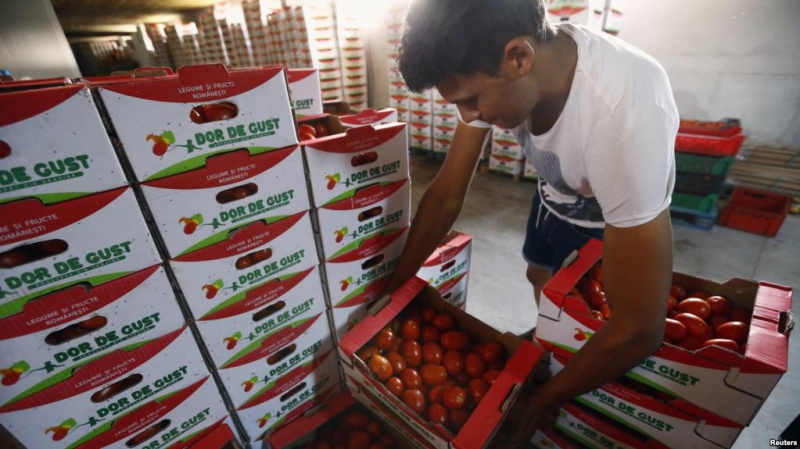
The inspection of imported food safety will overcome difficulties for enterprises
According to the new regulation, nine groups of products are exempt from food safety inspection when imported, including:
1. Products have been granted certificates of receipt of registration of product publication.
2. Products brought with people on entry, sent before or after the trip of persons on entry to serve their daily-life needs or purposes, gifts or presents in the duty-free quotas according to regulations. of the tax law.
3. Import products for personal use of subjects enjoying diplomatic privileges and immunities.
4. Products transiting, transiting, transshipping, temporarily importing, re-exporting or sending to bonded warehouses.
5. Products are prototype or research samples with quantities suitable for testing or research purposes with certification of organizations and individuals.
6. Products used for displaying fairs and exhibitions.
7. Products and raw materials for production or import shall be used only for production or processing of goods for export or for internal production of organizations and individuals not sold on the domestic market.
8. Products temporarily imported for sale at duty-free shops.
9. Goods imported for urgent requirements under the direction of the Government or the Prime Minister.
For terrestrial animal products, aquatic animal products, plant products used as foodstuffs except processed, pre-packaged food, exported food and nine product groups. The importation shall be permitted only when importing from countries, territories, organizations and individuals proclaimed by the Ministry of Agriculture and Rural Development and each goods lot must be certified by the Ministry of Agriculture and Rural Development. Compliance with the food safety regulations of the exporting country.
The Government also stipulates three types of checks:
Reduced inspection: Accordingly, a maximum of 5% of the total import shipments within one year shall be checked by the customs office and carried out, whichever is the case. Food safety requirements by the competent agencies or organizations of countries which have signed treaties on mutual recognition in food safety inspection activities of which Vietnam is a member and have the results of inspection the competent body of the exporting country for the lot of goods, in accordance with the provisions of Vietnamese law; or have had three consecutive times within 12 months meet the import requirements under the normal test mode, or produced in the establishments applying one of the quality management system GMP, HACCP, ISO 22000, IFS, BRC, FSSC 22000 or equivalent.
Regular inspection: Only check the dossier of the goods lot for cases not subject to inspection and strict inspection.
Tightly testing: Checking the dossiers of combination of samples for testing: Applying for goods lots failing to meet the import requirements at the previous inspection or failing to satisfy the inspection or examination (if any) or have warnings issued by the Ministry of Health, the Ministry of Agriculture and Rural Development, the Ministry of Industry and Trade, the Provincial People's Committee or the competent authority in a foreign country or the manufacturer.
By: Customs Department of Ho Chi Minh City