VI
VI
 EN
EN











What is ESG? Why are many businesses focusing on investing in ESG?
Table Of Contents
Table Of Contents
In the context of the global economy strongly shifting towards a green and circular development model, ESG is no longer an option but has become a mandatory condition for businesses to survive and grow.

ESG is an irreversible trend. Businesses that want to survive and develop cannot stand outside the game (Image generate by AI)
CONTENT:
|
1. What is ESG? 2. Components of ESG 3. Why is ESG important for businesses? 4. The state of ESG in Vietnam 5. Effective ESG implementation strategy |
1. What is ESG?
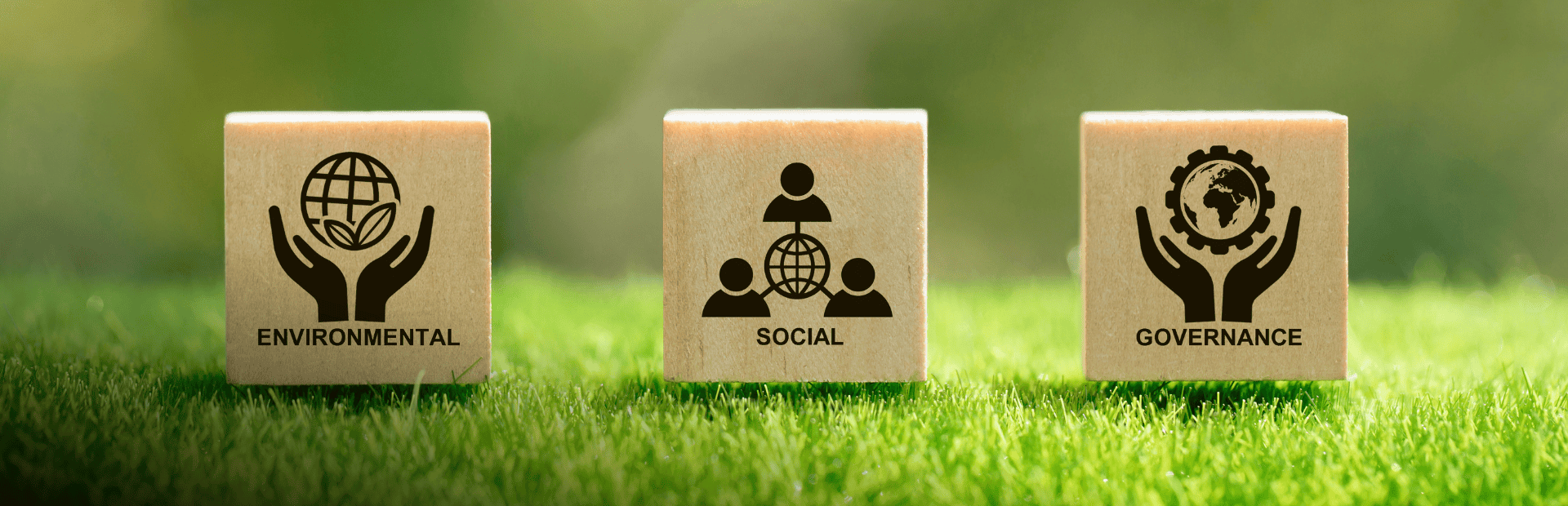
ESG is a set of standards for evaluating and measuring sustainability factors and the impact of a business on the surrounding community through three main pillars:
-
E – Environmental
-
S – Social
-
G – Governance
This is not only a lever to attract investors and foreign capital but also a long-term strategy that helps ESG-oriented businesses increasingly attract more consumers of their products/services.
Currently, investors are increasingly prioritizing these non-financial factors before deciding to invest in a business. A proper ESG strategy helps businesses effectively manage risks related to the environment, society, and governance, thereby achieving stable and long-term development.

ESG is a strategic lever that helps businesses attract investors and foreign capital (Image generate by AI)
2. Components of ESG
E – Environmental
The Environmental pillar refers to how businesses interact with and impact the natural environment. This factor is particularly important in the context of increasingly severe climate change and environmental issues. The criteria in the Environmental pillar include:
-
Natural resource management: Businesses need policies to efficiently use resources such as water, energy, and raw materials. This not only helps reduce operational costs but also limits negative environmental impacts.
-
Emission and pollution reduction: Measuring and minimizing greenhouse gases, CO2, etc., is central to environmental protection. This not only reduces negative impacts but can also bring economic benefits through operational cost savings.
-
Biodiversity and ecosystem conservation: Businesses should commit to protecting biodiversity and maintaining natural ecosystems through sustainable land, forest, and biological resource management measures. This ensures compliance with environmental regulations and contributes to global sustainable development goals.

ESG - Environmental Pillar
S – Social
The Social pillar examines relationships and reputation built through business activities concerning stakeholders, including employees, customers, communities, and suppliers. This pillar emphasizes creating social value through business operations, with key factors such as:
-
Employee rights: Businesses must ensure a safe, fair working environment with adequate benefits for employees. This includes complying with international labor standards, providing training and career development opportunities, and fostering an inclusive and equitable workplace.
-
Community impact: Businesses should invest in community support activities, such as education, healthcare, and infrastructure, to enhance quality of life and promote social development. These efforts not only improve brand image but also build strong community relationships.
-
Diversity and inclusion: Promoting diversity in gender, race, and cultural backgrounds within the workforce is crucial for creating an open and innovative corporate culture. Policies on equality and inclusion are not only ethical requirements but also strategic factors in talent development and fostering innovation.

ESG - Social Pillar
G – Governance
The Governance pillar focuses on the organizational structure, management, and operational regulations of a business. Good governance is the foundation for effective, transparent, and responsible business operations. Important factors include:
-
Transparency and accountability: Businesses must disclose financial information, business strategies, etc., to maintain trust with shareholders and stakeholders. Accountability ensures that management decisions always aim for common interests and comply with legal regulations.
-
Effective management structure: Businesses need a robust management structure with a balance between power and responsibility. Management teams should possess sufficient capabilities, experience, and diversity to make strategic decisions.
-
Anti-corruption and ethical risk management: Establishing policies to prevent corruption and ethical risks protects the business's reputation and maintains sustainable operations.

ESG - Governance Pillar
3. Why is ESG important for businesses?
Sustainable development through ESG is becoming an inevitable trend, helping businesses proactively adapt and address pressing issues of the era such as:
-
Increasingly severe climate change
-
Depletion of natural resources and living environments
-
Growing social inequality
-
Widening income gaps among social classes
Businesses adopting ESG standards not only demonstrate responsibility towards society and the environment but also increase opportunities to obtain ESG certification, unlocking numerous strategic benefits:
-
Attracting ESG-compliant investment funds
-
Enhancing operational efficiency
-
Strengthening brand reputation and goodwill among customers and employees
-
Building sustainable community relationships
-
Minimizing risks and operational costs

Applying ESG helps businesses enhance reputation and bring significant economic benefits.
4. The state of ESG in Vietnam
In Vietnam, ESG is gradually becoming an unavoidable trend. Many businesses, especially large companies and those with foreign investment, have begun implementing ESG strategies. However, the level of ESG adoption still varies significantly across industries and business scales.
Businesses in renewable energy, real estate, and industrial manufacturing are leading in ESG adoption. Meanwhile, small and medium-sized enterprises face challenges due to limited resources and expertise in ESG.
Additionally, the Vietnamese government has started introducing regulations and guidelines to promote ESG adoption among businesses, facilitating the sustainable development of the economy.
→ See more: What is the carbon credit market? 06 things you may not know
5. Effective ESG implementation strategy
Step 1: Ensure commitment from all organizational levels
ESG is a broad concept and may not be easily understood by everyone in the organization. Therefore, to create internal consensus, you need to proactively communicate the practical value of adopting the ESG model.
Particularly, convincing top management is crucial. Help them visualize the benefits and positive impacts that an ESG strategy brings. Once leadership is aligned and committed to this direction, spreading and implementing ESG across other departments becomes more seamless and effective.
Step 2: Choose the appropriate ESG framework
Using an ESG framework helps businesses assess risks and report ESG achievements and progress to the community and other stakeholders.
In Vietnam, businesses need to consider selecting an ESG reporting framework suitable for their industry while ensuring compliance with current legal regulations and the country's socio-economic development context. Choosing the right framework enables transparent reporting, enhances credibility, and facilitates access to international investors.
Step 3: Assess current ESG status
Gather current information about the business concerning ESG aspects based on international standard reporting frameworks such as GRI Standards, SASB Standards, GHG Protocol, etc.
To help businesses demonstrate their commitment to the United Nations' Sustainable Development Goals (SDGs) and integrate into the global green business trend, Vinacontrol offers comprehensive greenhouse gas inventory consulting services. This assists businesses in calculating, managing, reporting emissions, and tracking commitment progress, ensuring compliance with international standards.
Step 4: Identify improvement opportunities and assess materiality
You need to consider the significance of ESG improvement opportunities concerning your company's operations and other stakeholders. By creating an ESG materiality matrix, you can visually understand the importance of these improvement opportunities.
From there, you can decide which improvements to implement first, depending on your business's ESG program budget.
Step 5: Define the business's ESG goals
-
Set specific, measurable, achievable, relevant, and time-bound (SMART) ESG goals for the business.
-
Develop a long-term ESG vision to guide the company's activities.
Step 6: Develop a strategic plan
-
Identify specific initiatives and actions to achieve ESG goals.
-
Assign responsibilities and allocate resources for each initiative.
-
Establish a timeline and budget for the implementation of the ESG strategy.
Step 7: Implement the plan, evaluate, and monitor results
Implementation and monitoring:
-
Execute the planned ESG initiatives and actions.
-
Track the progress and effectiveness of activities.
-
Collect data and report performance outcomes.
Evaluation and improvement:
-
Periodically assess the effectiveness of the ESG strategy.
-
Identify areas for improvement and make appropriate adjustments.
-
Update the ESG strategy to align with changes in the business environment and stakeholder expectations.
→ See more: What is Net Zero? How to achieve it?
Please contact Vinacontrol via Hotline/Zalo: 0243 943 3840 for immediate consultation and support on ESG implementation.