VI
 EN








4 Groups of solutions to help businesses save energy
Table Of Contents
Table Of Contents
Energy saving is an urgent solution in sustainable development strategies and greenhouse gas emission reduction. In Vietnam, the industrial sector consumes more than 47% of the country’s total energy, with a potential saving of up to 30–35% (according to the Ministry of Industry and Trade). Implementing efficient energy use solutions not only helps businesses reduce costs but also meet legal requirements and the global trend of greening supply chains.

Energy saving is an urgent solution in sustainable development strategies and greenhouse gas emission reduction
CONTENTS:
|
1. What is energy saving? 2. Benefits of implementing energy saving 3. Effective energy saving solutions 4. Vinacontrol – Accompanying businesses on the green transition journey |
1. What is energy saving?
Energy saving is the process of using energy rationally, efficiently, and avoiding waste. Energy sources include electricity, gas, fuel, and other increasingly scarce energy resources.
Practicing energy saving not only helps reduce operational costs for businesses and living expenses for individuals, but also contributes to environmental protection, limits greenhouse gas emissions, and extends the lifespan of natural resources. This is a key factor in sustainable development and green transition strategies that many countries, including Vietnam, are pursuing.

Energy saving is a key factor in green transition & sustainable development strategies
→ Read more: What is ESG? Why are many businesses investing in ESG?
2. Benefits of implementing energy saving
Implementing energy-saving measures brings practical benefits not only to individuals but also to businesses. Below are the specific advantages:
2.1. For businesses
Applying energy-saving measures is a key strategy that offers significant advantages for businesses:
-
Reduced operational costs: Saving energy helps businesses minimize energy expenses, thereby increasing profits and creating a competitive edge in the industry.
-
Enhanced sustainability and reputation: Businesses that practice energy saving contribute to environmental protection while building a brand image that appeals to the community and investors.
-
Energy security assurance: Lower energy consumption ensures a stable energy supply and improves resilience in case of disruptions.
-
Compliance with legal regulations: Businesses must comply with energy efficiency regulations in many countries. Implementing energy-saving practices helps meet these legal requirements.

Applying energy-saving solutions helps businesses cut costs and enhance operational efficiency.
2.2. For individuals
Here are the reasons why energy saving is essential for each individual:
-
Lower living expenses: Saving energy reduces electricity and water bills, helping households manage their monthly expenses more effectively.
-
Increased environmental awareness: Practicing energy saving raises awareness of the negative impacts of inefficient energy use and encourages individuals to contribute to environmental protection.
-
Comfortable living: Improving insulation in homes or offices helps maintain stable indoor temperatures, creating a more comfortable living and working environment.
-
Contribution to sustainability: Individual energy-saving actions contribute to society’s overall sustainability goals, helping protect the environment for future generations.
-
Spreading a culture of saving: Each individual can become a role model for family, friends, and the community, promoting a broader energy-saving movement.

Energy saving fosters a greater sense of environmental responsibility among individuals.
→ Read more: What is a carbon credit? Major opportunities from the carbon credit market
3. Effective energy-saving solutions
Energy saving is a vital solution to enhance economic efficiency, preserve national resources, minimize environmental impacts, and reduce greenhouse gas emissions.
3.1. Raising awareness and changing workers’ habits
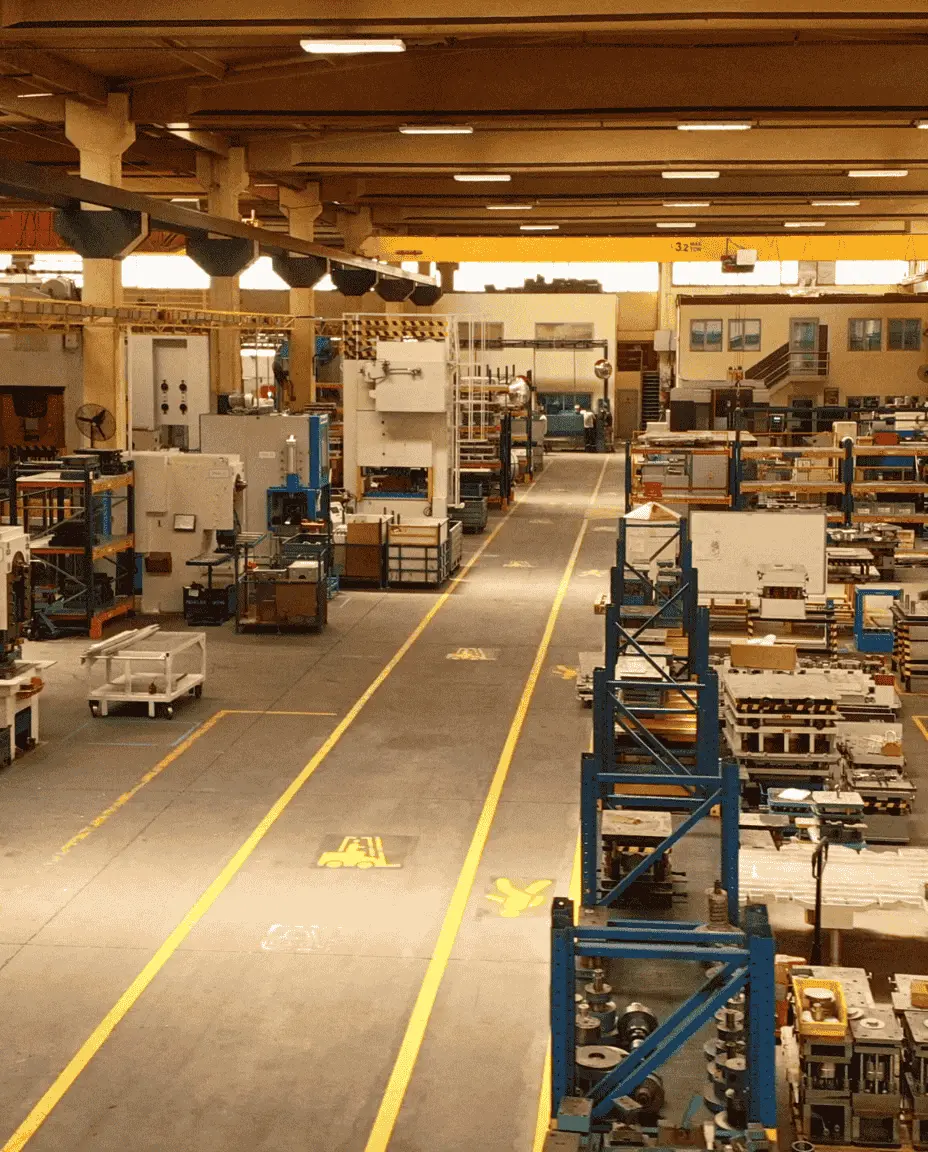
Industrial zones and manufacturing plants consume a large amount of electricity, mostly due to workers’ habits and awareness of energy use. Therefore, promoting the benefits of saving electricity and other types of energy, launching emulation campaigns, and rewarding individuals or teams with good awareness can significantly contribute to the company’s overall energy-saving efforts.
Currently, productivity improvement tools such as TPM, 5S, Kaizen... have been widely adopted by Vietnamese enterprises. These not only create an efficient working environment but also help develop human resources and foster a sense of responsibility and proactiveness among employees.
3.2. Applying technology, automating production, and using renewable energy
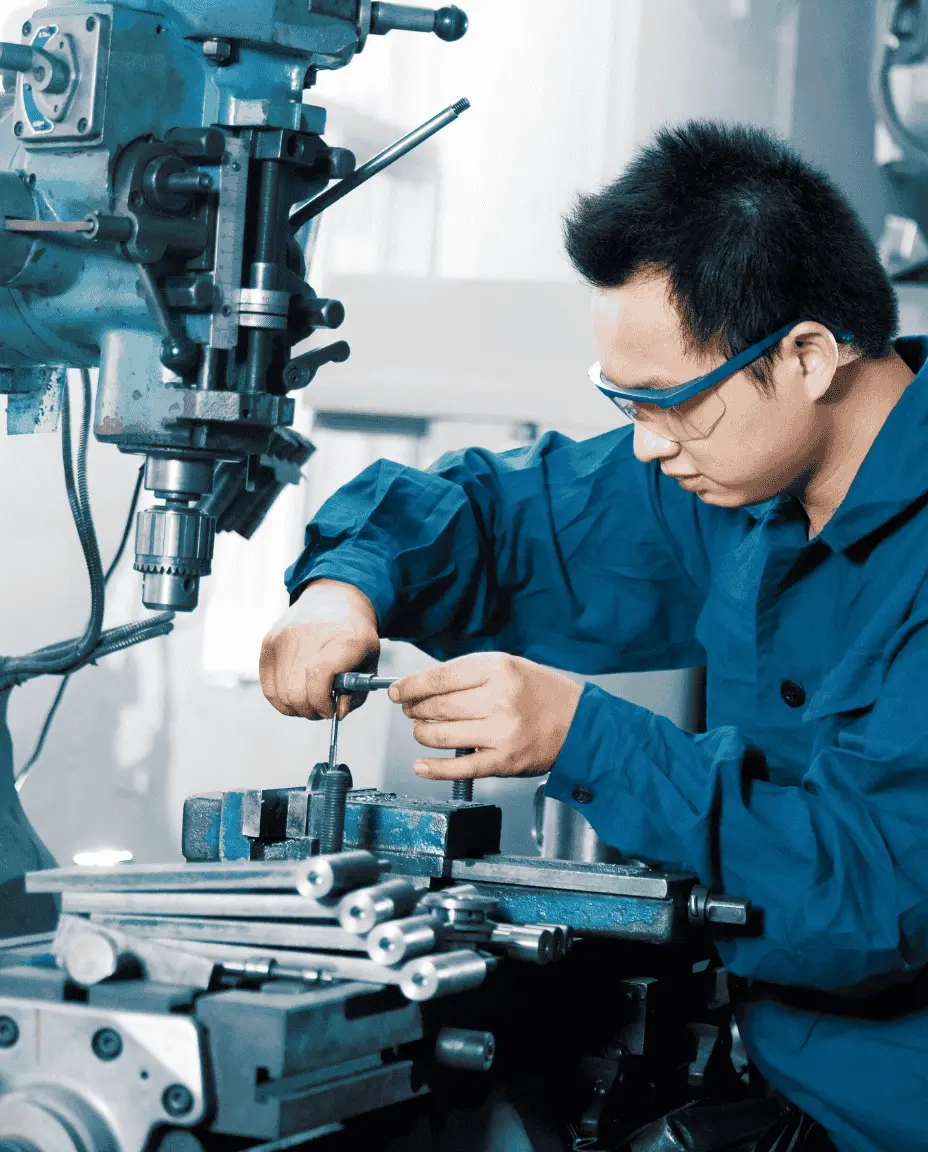
One key consideration for businesses is replacing outdated equipment with modern, energy-efficient, and safe alternatives. Older devices tend to consume more electricity, increase costs, pose risks of leakage, and even cause fire hazards.
Installing high-efficiency electrical and mechanical equipment—such as motors, lighting systems, pumps, heating, and ventilation devices—is also an effective solution to save energy and optimize production.
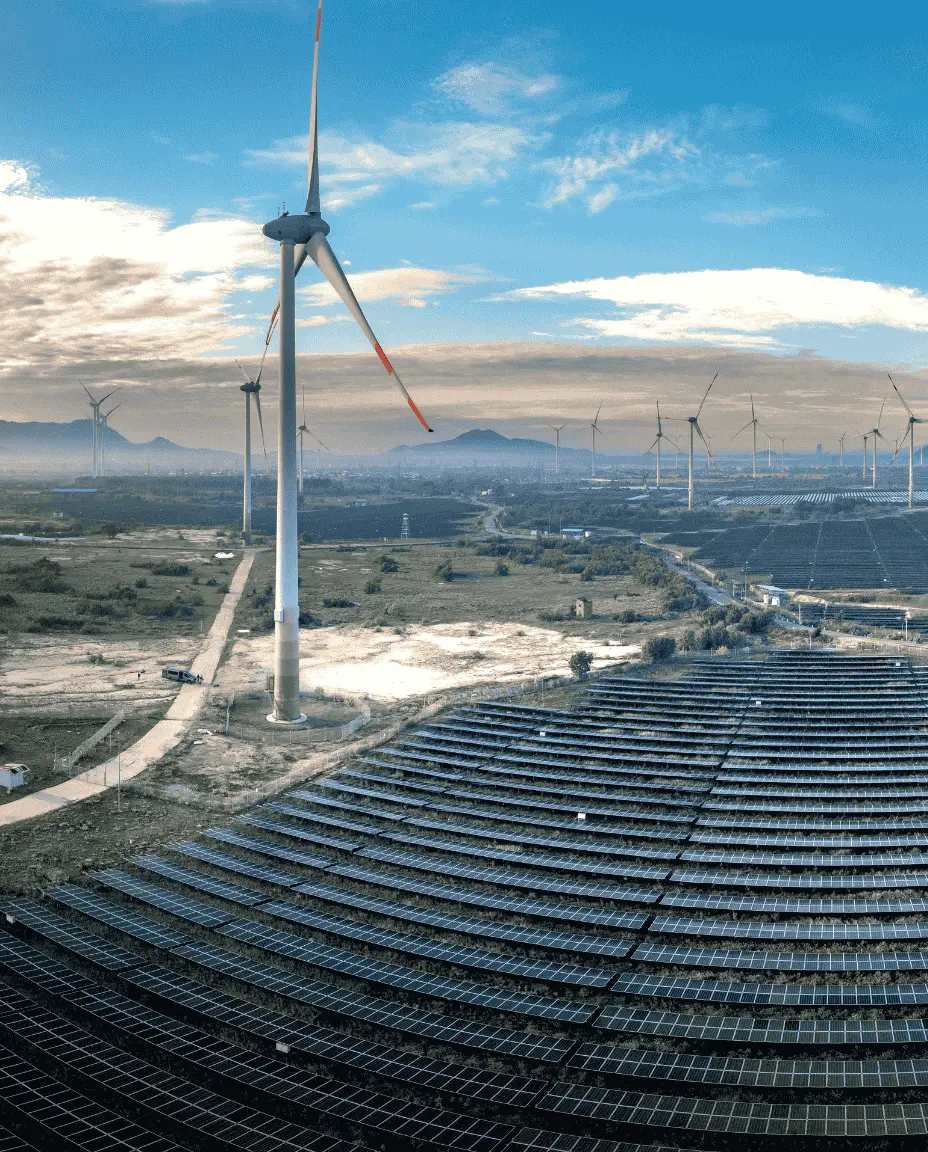
Additionally, inverter technology allows precise speed control of motors, significantly reducing energy consumption. Businesses are also adopting renewable energy systems, such as rooftop solar panels, to reduce electricity usage and potentially generate surplus energy.

Applying modern technology and monitoring energy-saving implementation
3.3. Applying standards and energy management systems
One of the most optimal solutions for energy saving is implementing an energy management system under ISO 50001:2011. This standard not only helps businesses save energy but also promotes efficient energy use and supports their long-term sustainability strategy.
Vinamilk is a typical example of applying ISO 50001 in energy management, helping to reduce environmental impact and foster sustainable growth. Vinamilk factories have achieved major certifications such as FSSC 22000, ISO 14001, ISO 50001, and OHSAS 18001.
By applying these standards, businesses demonstrate their environmental and social responsibility and play a key role in ensuring global energy security.

Implementing ISO 50001 supports businesses in securing energy supply
3.4. Monitoring and improving systems to save energy
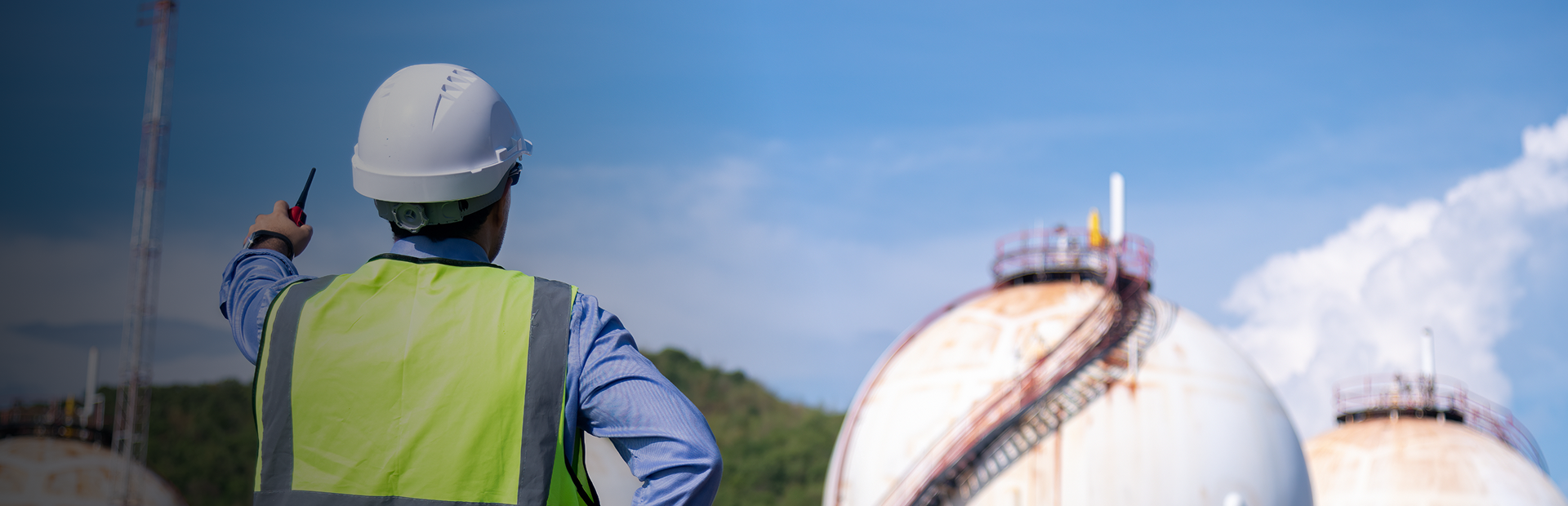
Businesses should adopt technologies for measuring, monitoring, analyzing, tracking, and alerting to detect and resolve issues that lead to energy waste or leakage. This helps manage electricity use and minimize unnecessary energy consumption in production.
Furthermore, businesses need to detect unusual electricity usage, control high-energy-consuming areas, and plan production wisely to avoid operating high-capacity equipment during peak hours.
Scheduled maintenance and equipment cleaning also extend equipment life, reduce breakdowns, cut costs, and improve energy efficiency.
→ Read more: What is green finance? A solution to help businesses access sustainable capital
4. Vinacontrol – Accompanying businesses on the green transition journey
In the context of climate change and increasingly depleted natural resources, the green transition is not only an inevitable trend but an urgent requirement for businesses to maintain competitiveness and meet global sustainability standards.
To move toward a green economy, businesses must prioritize energy saving and reduce carbon emissions from production, internal operations, and the supply chain. Achieving this goal requires detailed understanding and tracking of emission data.
Vinacontrol’s Greenhouse Gas Inventory Solution supports businesses in:
-
Guiding the collection and standardization of greenhouse gas emissions data
-
Quantifying and classifying emissions by scope (Scope 1, 2, 3)
-
Developing GHG inventory reports in line with ISO 14064-1
-
Consulting optimal solutions to reduce emissions and improve resource efficiency

Vinacontrol provides the leading GHG inventory solution in Vietnam
Outstanding benefits of Vinacontrol’s service package:
✅ Emission data transparency – Stronger environmental accountability
Vinacontrol helps businesses build clear, verifiable emissions datasets, supporting environmental disclosure and compliance with ESG, CBAM, or sustainability reporting standards.
✅ Solid foundation for effective emission reduction strategies
Through thorough data analysis, Vinacontrol helps businesses identify major emission sources and propose cost-effective, feasible reduction measures aligned with business goals.
✅ Improved operational efficiency – Energy savings
By analyzing real-time resource consumption, Vinacontrol helps identify energy wastage, optimize processes, and enhance long-term energy performance.
✅ Fostering a green corporate culture
GHG inventory and reporting are not only compliance activities but also tools to raise internal awareness, helping employees understand their role in environmental protection and climate action.

Vinacontrol is a trusted partner for GHG inventory under ISO 14064-1
For service inquiries, please contact our Hotline/Zalo: 0243 943 3840 for the best support and consultation!